How Anime Is Made: Inside Japan's Animation Production Process
How does an anime go from an idea to a finished episode? We explore the Japanese animation production process, the artists and staff behind each stage, and the business decisions that shape what viewers see.
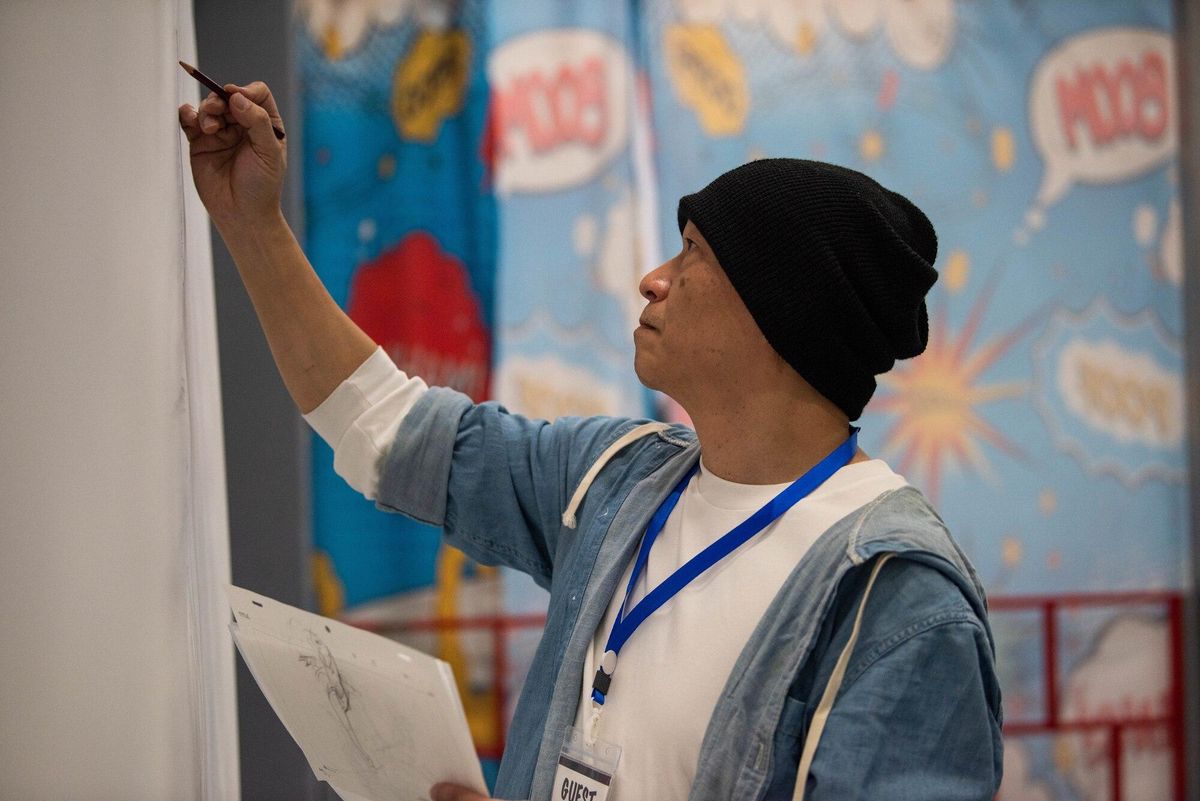
If you're here, it means you enjoy anime.
I'm a huge fan, too.
I've been watching anime for over 20 years. I've always been sort of curious about how anime production works, so I decided to research the subject and write this report.
In summation, every anime begins long before the first character moves across the screen.
Behind each episode is an enormous amount of planning, creative collaboration, and technical work, with artists, directors, producers, and specialists turning an idea into moving images.
- But how does that process actually work?
- Who decides what gets animated?
- What's the difference between key animation and in-between animation?
- And how do thousands of drawings, backgrounds, voices, and sound effects become a finished episode?
In this guide, we'll follow the Japanese anime production process from beginning to end, exploring the people, techniques, and decisions behind each stage.
Along the way, we'll explain the terminology you'll encounter in Japanese production credits and show how the different departments work together.
By the end, you'll have a clearer understanding of what it takes to bring an anime to life.
Let's get started.
Before the First Drawing: How an Anime Gets Made Possible
Before animators put pencil to paper, a project needs a concept, a team, funding, and a production plan. Here's how those pieces come together.
We want to make works of animation that I have hardly seen before.
Where Does an Anime Project Begin?
Before an anime can enter production, someone has to decide that the project is worth making.
That idea might originate with a publisher interested in adapting a successful manga, a game company looking to expand one of its properties, an animation studio developing an original story, or a producer who sees potential in an existing work.
These are different starting points, but they share an important requirement: the people developing the project must establish what they're making, who has the authority to make it, and how it will be financed.
For an adaptation, that means securing the necessary rights from the relevant rights holders. A popular manga's publisher may be closely involved in the process, but the precise licensing and approval arrangements depend on the property and the agreements between the participating companies.
An original anime follows a different route. Rather than licensing an existing story for adaptation, its creators and producers develop a new concept, characters, setting, and commercial proposal. The project still needs financial backing and agreements establishing how the resulting work will be owned and exploited.
Neither route guarantees that a project will move forward. A proposal can undergo revisions, encounter financing difficulties, or fail to secure the necessary partners.
What Is an Anime Production Committee?
One of the most recognizable financing structures in the Japanese anime industry is the production committee, known in Japanese as seisaku iinkai (製作委員会).
A production committee brings together companies that participate in financing and commercially developing an anime project. Depending on the production, these might include publishers, broadcasters, distributors, music companies, streaming services, advertising businesses, or other investors.
The arrangement allows participating companies to share financial exposure and coordinate the different ways an anime can generate revenue.
For example, a publisher may have an interest in the original books, a music company in the soundtrack and related releases, and a distributor in getting the finished anime to audiences.
However, these are illustrative business interests, not fixed responsibilities assigned to every committee member. The actual rights, revenue shares, approvals, and obligations are determined by the project's agreements.
It's also important to understand that a production committee isn't necessarily a separate animation company. It is a framework for organizing investment and related business decisions.
Not every anime uses a production committee. Some projects have different financing and commissioning arrangements, including productions backed primarily by a single company or commissioned through a distribution platform.
The committee model is common, but it should never be mistaken for a universal requirement.
Who Actually Owns an Anime?
This is where anime production becomes more complicated than the studio logo at the beginning of an episode might suggest.
The company responsible for animating a series doesn't automatically own the underlying property or every right associated with the finished anime.
An adaptation may involve rights to the original manga, novel, or game alongside separate agreements governing the animated adaptation. The finished production may also involve rights and permissions relating to music, character merchandising, distribution, and other uses.
A production committee's members may participate in the commercial rights to the anime according to their agreements, while the animation studio may be hired to produce the work under contract.
Some studios also invest in projects or participate in their committees. In those cases, a studio can have both a creative production role and a financial interest.
There is no single ownership arrangement that applies to every anime.
This distinction helps explain why an anime's production studio, publisher, and international streaming distributor can be three entirely different companies.
The Difference Between 製作 and 制作
Japanese anime credits often contain two words that are both translated into English as production: 製作 and 制作.
They are pronounced the same way, seisaku, but are commonly used to describe different responsibilities.
In anime credits, 製作 frequently identifies the business or organizational side responsible for bringing the project into existence, such as the production committee or principal producing entity.
制作, particularly in credits such as animation production (アニメーション制作), generally identifies the organization responsible for carrying out the creative and technical production work.
That makes the distinction useful when reading credits, but it isn't an inflexible legal rule. Usage can vary by company, credit category, and context.
A simple way to understand the difference is to ask two questions:
- Who is organizing and backing the project? Look at the entities credited under 製作.
- Who is responsible for making the animation? Look at the studio credited under アニメーション制作.
The two groups can overlap, but they are not interchangeable.
UNDERSTANDING ANIME CREDITS
Project Production
Commonly identifies the production committee or another entity responsible for organizing and backing the anime project.
Animation Production
In credits such as アニメーション制作, commonly identifies the studio or production organization responsible for making the anime.
Both terms are pronounced "seisaku." These are common industry credit conventions, not fixed definitions for every production.
How Does an Animation Studio Get Involved?
Once a project has a viable production plan, the people organizing it need a team capable of delivering the anime.
A studio may be involved from the earliest development stages, especially when it originates the project or works closely with its creators. In other cases, a producer or rights holder approaches a studio to discuss availability, creative suitability, staffing, and production arrangements.
The selection isn't simply a matter of choosing the studio with the most recognizable name.
Anime production depends heavily on the people available to work on a project, including directors, character designers, animation supervisors, production managers, and specialized artists. Their schedules and professional relationships can influence how a production team comes together.
The lead studio also doesn't necessarily perform every task itself. Depending on the project, it may coordinate work with freelancers, subcontracting studios, and specialist companies responsible for particular stages of production.
Those relationships are part of the production structure, not evidence that the lead studio has abandoned the project.
What Happens Before Animation Starts?
A project needs more than financing and a studio assignment before its episodes can move through production.
The producers and creative leadership must establish the project's scope, develop a production schedule, assemble key staff, and begin defining the creative direction.
That includes decisions about the intended format, episode count, visual approach, scripts, character designs, and the resources available to complete the work.
These decisions don't always happen in a neat sequence. Creative development, financing, staffing, and scheduling can overlap, and some projects begin preliminary work while other arrangements are still being finalized.
The important point is that animation production depends on a foundation of agreements, planning, and creative decisions established before the finished drawings appear.
With that foundation in place, we can turn to the people who actually make an anime, and the responsibilities behind the job titles you'll see in its credits.
Who Actually Makes an Anime?
A finished anime is the work of many specialists. Meet the directors, artists, designers, and production staff who turn a creative plan into a finished episode.
An Anime Studio Is a Team, Not a Single Artist
When fans discuss anime production, they often credit the studio behind a series. That's understandable. Studios provide the organizational structure, resources, and production expertise needed to bring an anime together.
But a studio name only tells part of the story.
An anime production can involve directors, storyboard artists, animators, character designers, background artists, color specialists, compositors, editors, sound staff, and production coordinators. Some work within the lead studio, while others contribute as freelancers or through collaborating companies.
Their responsibilities are interconnected, but they aren't interchangeable. The person deciding how a scene should play isn't necessarily the person drawing its animation. The person correcting character drawings isn't necessarily directing the episode. And the person tracking a cut through production isn't necessarily an artist at all.
Understanding these distinctions makes anime credits much more interesting.
The Series Director: Guiding the Anime as a Whole
The director, commonly credited as kantoku (監督), is responsible for guiding the creative direction of the production.
On a television series, that can mean overseeing the overall approach to storytelling, character performances, pacing, visual presentation, and consistency between episodes. The director works with other senior staff to establish how the source material or original concept should be translated into animation.
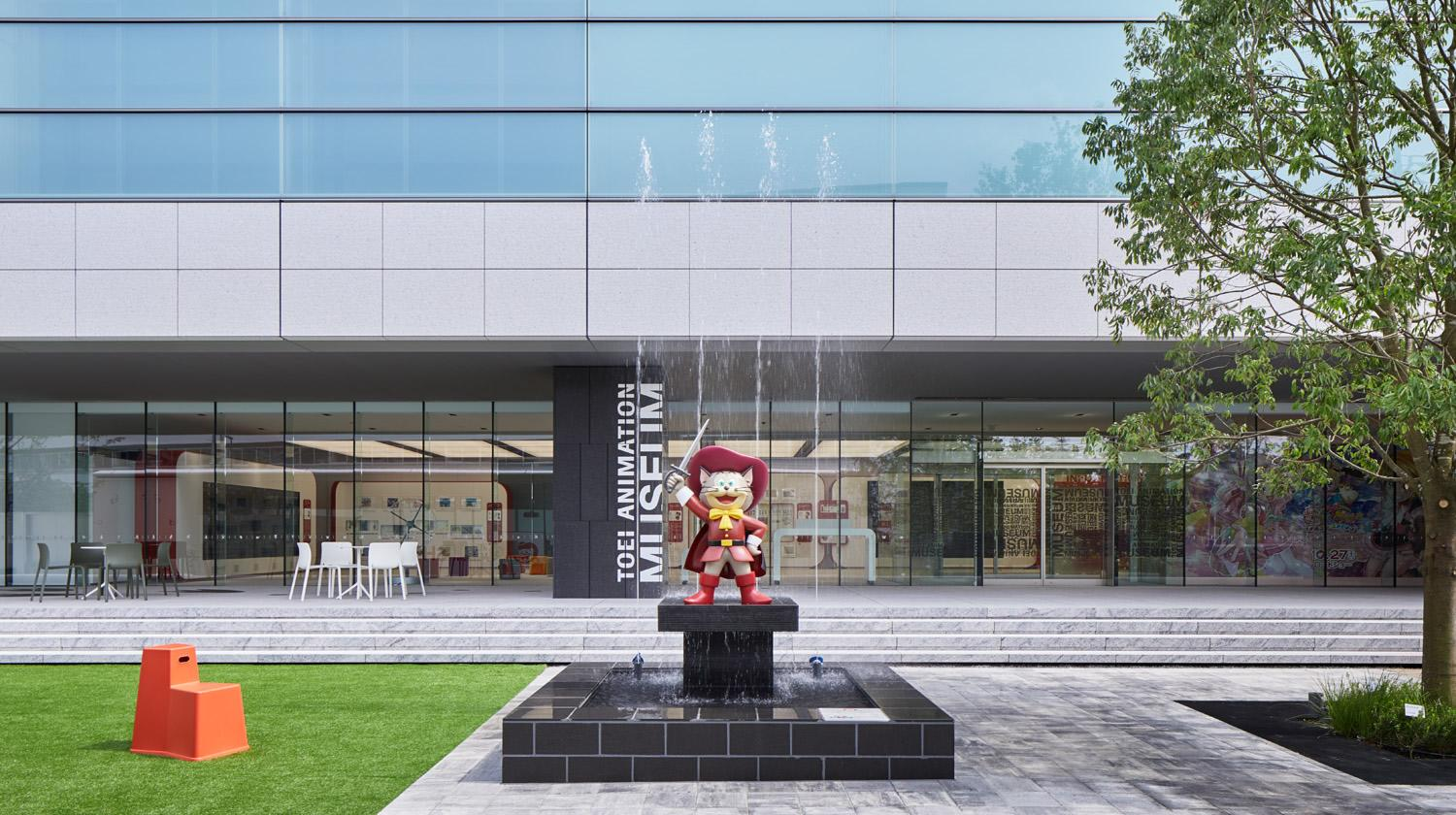
At Toei Animation, the comparable series-wide position is commonly called series director (シリーズディレクター). Toei describes this role as overseeing the television series as a whole while considering how individual episodes connect.
The precise division of authority depends on the production. Some anime also credit a chief director (sō kantoku, 総監督), assistant director, or other senior directing positions. Their responsibilities cannot be assumed from the titles alone.
The series director establishes and oversees the larger creative direction, but doesn't personally draw or direct every shot in every episode.
The Episode Director: Shaping an Individual Episode
The episode director, commonly credited under enshutsu (演出), is responsible for the direction of a particular episode.
This includes interpreting the script and storyboard, communicating how scenes should play, and supervising how the different production elements come together.
The episode director considers the rhythm of the episode, the staging of individual scenes, the intended performances, and how the visuals communicate the story.
Depending on the production, the episode director may also draw the storyboard, although storyboard and episode direction are separate credits and can be assigned to different people.
At Toei Animation, episode directors have considerable creative responsibility. The company explicitly describes them as central to the direction of their assigned episodes.
However, that level of autonomy shouldn't automatically be attributed to every studio. Episode directors operate within the creative structure of their particular production.
The Animation Director: Supervising the Drawings
Here's one of the most important distinctions in anime production.
An animation director, or sakuga kantoku (作画監督), is not simply another title for the episode director.
The animation director supervises the quality and consistency of the character animation and other assigned drawings. A major part of the job involves reviewing and correcting key animation so that the finished work meets the production's visual requirements.
Imagine several animators drawing the same character across different scenes. Each artist brings individual strengths and habits to the work, but the character still needs to look recognizably consistent within the anime's intended style.
Animation directors help maintain that consistency through corrections and supervision.
Their responsibilities can also extend to anatomy, posing, expression, acting, and the clarity of movement, depending on the assignment.
Some productions credit multiple animation directors for a single episode, sometimes dividing responsibility across sequences, characters, or other portions of the work.
A chief animation director, or sō sakuga kantoku (総作画監督), may provide an additional level of oversight across episodes or selected material.
These titles describe different layers of supervision, not a universal hierarchy that functions identically on every anime.
WHO DOES WHAT?
Three Different Kinds of Direction
Series Director
Guides the creative direction of the anime as a whole, including consistency across episodes.
Episode Director
Shapes the presentation, staging, and execution of an individual episode.
Animation Director
Reviews and corrects animation drawings to maintain the intended visual quality and consistency.
Note: Some studios use "series director" as a specific credit title, while others use "director." Responsibilities and additional directing credits vary.
Character Designers and the Artists Establishing the Look
A character designer, credited as character design (キャラクターデザイン), develops the visual designs that animators will use when drawing the cast.
For an adaptation, the designer must interpret existing artwork for the requirements of animation. That can involve deciding how hairstyles, costumes, facial features, proportions, and expressions should be represented consistently from different angles.
For an original anime, character design may begin from initial concepts developed with the director and other creators.
The resulting model sheets and design references help animators understand how characters are supposed to look.
Character designers are often experienced animators, and some also serve as chief animation directors. However, those responsibilities remain distinct even when the same person performs both.
Other specialists may handle mechanical designs, props, creatures, or particular aspects of the production's visual world.
Together, these artists establish much of the visual information that later departments will rely on.
Key Animators and In-Between Animators
The animation itself involves several distinct tasks.
Key animators, credited under genga (原画), develop the important drawings that establish a character's movement, acting, and action within a cut.
Their work can involve planning poses, expressions, movement paths, and timing, guided by the storyboard, layouts, and direction.
In-between animators, credited under dōga (動画), produce drawings needed to complete the movement between key drawings and prepare the animation for later stages.
That description is necessarily simplified. In-between work can include cleanup, line consistency, and other technical responsibilities, while key animation assignments may be divided into multiple stages.
We'll examine those distinctions closely in Chapters 4 and 5.
For now, the important thing to remember is that animation isn't simply a collection of drawings handed from one person to another. It is a coordinated process involving artistic decisions, technical instructions, reviews, and corrections.
Art Direction, Color, and Photography
Characters are only one part of the finished image.
The art director, or bijutsu kantoku (美術監督), oversees the visual approach to backgrounds and environments. That can include the overall atmosphere, architectural treatment, environmental color, and background painting style.
Background artists create the actual settings used in individual scenes, guided by designs, art boards, layouts, and other production materials.
The color designer, or shikisai sekkei (色彩設計), establishes the production's approach to character and object colors. Color specification staff then apply those decisions to particular scenes and materials, including variations needed for lighting and other conditions.
The director of photography, commonly credited as satsuei kantoku (撮影監督), supervises the compositing process that brings the visual elements together.
Despite the English title, this usually isn't cinematography involving a physical camera filming actors. In contemporary digital anime production, satsuei commonly refers to compositing animation, backgrounds, CG, and visual effects into the final image.
Each department contributes to the visual identity of the anime, even when its work isn't immediately obvious to viewers.
Sound Directors, Voice Actors, and Editors
An anime's finished presentation also depends on people working beyond the drawing and visual departments.
A sound director, commonly credited as onkyō kantoku (音響監督), oversees aspects of the production's sound presentation, including voice performance direction and the integration of sound elements.
Voice actors perform the characters, while recording and sound staff capture, edit, and prepare the dialogue. Composers and music production teams create the score, and sound effects specialists contribute the effects needed for the scenes.
Editors assemble and refine the picture, working with the episode's intended structure, pacing, and available material.
These responsibilities can be organized differently between productions. For example, Toei Animation has described an approach in which episode directors handle audio direction, rather than assigning a separate sound director on every project.
We'll return to recording, editing, and sound in Chapter 7.
Production Staff: The People Keeping Everything Connected
Creative work depends on another group whose contributions are easy to overlook: production management staff.
A production assistant or production coordinator, commonly associated with the credit seisaku shinkō (制作進行), helps track the progress of an episode and coordinate the people responsible for its different stages.
That can involve distributing production materials, checking assignments, following up with artists and departments, arranging the transfer of completed work, and communicating schedule changes.
These staff members help ensure that materials reach the people who need them and that problems are identified before they affect later stages.
At Toei Animation, production progression is divided into several specialties, including episode production management, background art progression, finishing progression, and CG progression.
Senior production staff, such as production desks and animation producers, may coordinate broader staffing, schedules, budgets, and production operations. Their precise authority and job titles vary between organizations.
These aren't merely administrative tasks disconnected from the creative process. When a scene requires corrections, additional materials, or coordination between departments, production staff help make that work possible.
Why One Anime Can Involve Multiple Studios
The lead animation studio doesn't necessarily perform every stage of production internally.
Anime projects can involve specialist companies for background art, finishing, compositing, CG, or other production work. Individual animators and directors may also work independently rather than as permanent employees of the lead studio.
Some episodes or portions of episodes are assigned to cooperating studios. Depending on the arrangement, another studio may handle a substantial amount of an episode's production, while the lead studio retains overall responsibility for the series.
This is one reason anime credits can contain a long list of cooperating companies and individual contributors.
It's also why a studio's reputation doesn't tell you everything about who animated a particular scene.
The finished episode represents the combined work of its credited staff, coordinated through a production structure that can extend well beyond a single building.
With the major roles established, the next step is to see how those people begin turning a script into something animators can actually produce.
Pre-Production: Scripts, Designs, and Storyboards
Before a scene can be animated, the production needs a story, visual references, and a plan for how each shot will unfold. This is where the anime starts taking shape.
From a Story Idea to a Production Plan
Once an anime project has its creative leadership and production arrangements in place, the team needs to translate its concept into something that can be written, designed, and eventually animated.
This begins with decisions about the story's overall direction. What is the central conflict? How should the characters develop? Which events belong in which episodes? What kind of atmosphere should the series establish?
For an adaptation, the team must also decide how to translate the source material into the new format. A manga chapter doesn't automatically correspond to one anime episode, and material that works on a printed page may need to be reorganized for screen storytelling.
Original anime presents its own challenges. The creators may be developing the characters, setting, and narrative structure specifically for animation, rather than adapting an existing sequence of events.
These decisions are shaped through planning discussions, writing, and the creation of reference materials. Together, they establish the foundation for the individual episodes.
Series Composition: Planning the Larger Story
On many television anime productions, a writer or other senior creative contributor is credited with series composition, or series kōsei (シリーズ構成).
Series composition concerns the overall organization of the story across a series.
For an adaptation, this can involve determining which parts of the source material to cover, how to divide major events between episodes, and where adjustments or additional scenes may be needed.
For an original anime, the work may involve developing the larger narrative structure alongside the director and other creators.
Consider a hypothetical 12-episode fantasy series. The production needs to decide when its protagonists meet, where major revelations occur, how supporting characters are introduced, and what each episode contributes to the larger story.
Those decisions affect more than the writing. They influence the characters, settings, props, and action sequences that the production will eventually need to design and animate.
Series composition doesn't necessarily mean one person writes every episode. Multiple screenwriters may contribute individual scripts while working within an agreed overall structure.
Likewise, not every anime uses the same series-composition credit or divides the writing responsibilities identically.
Episode Scripts: Turning the Plan Into Scenes
With the larger story established, individual episodes are developed through scripts, commonly called kyakuhon (脚本) or shinario (シナリオ).
An episode script describes the story in scenes, including dialogue, important actions, and information needed to communicate the intended drama.
The writing process can involve discussions and revisions with the director, series composition staff, producers, and other relevant creative personnel.
A script may need to be adjusted because a scene doesn't fit the intended episode structure, a character's behavior needs clarification, or an adaptation requires changes to the source material.
The script is an important foundation, but it isn't yet a complete visual plan.
For example, a script might describe a character entering an abandoned train station and discovering someone waiting on the platform.
It doesn't necessarily specify every shot, how long the camera should linger on the empty station, or whether the waiting character should be revealed immediately.
Those are visual storytelling decisions that become much more concrete during storyboarding.
Settei: The Reference Materials That Define the Anime's World
Before an entire production team can draw the same characters and locations consistently, everyone needs reliable visual references.
These materials are commonly known as settei (設定), a broad term referring to settings, specifications, and design information.
Character setting sheets may show a character from the front, side, and back, along with facial expressions, costume details, proportions, and other information animators need.
A character who appears simple in a finished episode can require substantial design work. Animators need to understand how the hairstyle looks from behind, how the costume fits when the character turns, and which facial features should remain consistent.
Other setting materials can cover weapons, vehicles, furniture, creatures, and environmental details.
Background-related settings may establish the structure of a building, the layout of a room, or the visual relationships between important locations.
These references are particularly valuable when many artists contribute to the same project.
Without them, even experienced animators could make different assumptions about how an object or character is supposed to look.
Settei isn't limited to a single collection of sheets prepared once at the beginning. New designs and revisions may be needed as later episodes introduce additional characters, costumes, props, and locations.
Art Settings and Art Boards: Designing the Environment
Character designs establish the cast, but an anime also needs a consistent visual world.
Art settings, or bijutsu settei (美術設定), help define the physical environments. They can include drawings showing the architecture, structure, and spatial details of locations that will appear in the production.
An art board, or bijutsu bōdo (美術ボード), provides a visual reference for how an environment should look and feel. It can establish the approach to color, lighting, texture, and atmosphere that background artists will follow.
Imagine that our hypothetical fantasy anime takes place in a seaside city.
The art settings might establish the shapes of its buildings, the arrangement of its streets, and the construction of its harbor.
The art boards might establish the city's warm afternoon light, weathered stone surfaces, and the contrast between bright rooftops and narrow shaded streets.
Those materials serve different purposes, but they work together.
The background artists can then use the settings, boards, and individual shot layouts to produce the environments seen in the finished anime.
The exact terminology and division of responsibilities can vary, particularly on productions that use substantial 3D environments.
E-Konte: Turning a Script Into Visual Storytelling
One of the most important documents in Japanese animation production is the storyboard, known as e-konte (絵コンテ).
An e-konte breaks the episode into a sequence of visual cuts. Its drawings and written instructions communicate how the story should appear on screen.
A storyboard commonly includes rough illustrations, cut numbers, dialogue or action notes, camera instructions, and indications of timing.
The drawings don't need to resemble polished animation. Their purpose is to communicate staging and direction.
Return to our example of a character entering an abandoned train station.
The storyboard artist might begin with a wide shot establishing the empty platform, follow with a close-up of the character's footsteps, and then hold on a distant silhouette beneath a flickering light.
The script tells us what happens. The storyboard determines how the audience experiences it.
This is why storyboarding is a directing task, not simply the process of drawing pictures to accompany dialogue.
The order, framing, and duration of the cuts influence suspense, comedy, action, emotional emphasis, and the overall rhythm of the episode.
Storyboards may be created by the series director, an episode director, a dedicated storyboard artist, or multiple contributors, depending on the production.
They can also be reviewed and revised before the episode moves further into animation.
What Is a Cut in Anime Production?
In Japanese anime production, a cut (カット) is a basic unit used to organize the visual work.
Broadly speaking, a cut corresponds to a continuous shot in the edited presentation, although individual productions may have special arrangements for complex material.
Cuts are typically identified by numbers or other production identifiers so that staff can track them through the workflow.
For example, our train station sequence might be organized as:
- Cut 001: A wide shot establishes the abandoned station.
- Cut 002: A close-up shows the protagonist's footsteps.
- Cut 003: The protagonist looks toward the platform.
- Cut 004: A distant figure stands beneath a flickering light.
Each cut can require its own layout, animation, background elements, compositing instructions, and production checks.
This doesn't mean every cut is handled by a completely separate group of artists. Assignments may cover multiple cuts, and some visual materials can be reused where appropriate.
However, dividing an episode into identifiable cuts allows the team to organize the work and track its progress.
The concept becomes particularly important when we reach layouts, key animation, and production management.
Storyboard Versus Layout: What's the Difference?
A storyboard establishes the intended sequence of shots and communicates the direction of the episode.
A layout develops an individual cut into a more precise visual plan.
Layouts can establish the camera framing, character placement, perspective, scale, and spatial relationships needed to produce the shot.
They may also contain information for background artists and other departments.
For example, our storyboard might show a rough drawing of the protagonist standing on the train platform.
The layout would develop that image into a more specific composition, establishing where the character stands in relation to the platform, how the background should be constructed, and what information the animators need for the scene.
The two documents are closely connected, but they aren't interchangeable.
We'll explore layouts in detail in Chapter 4, where the animation work begins.
FROM STORY TO SCREEN
Storyboard
絵コンテ · E-konte
Defines the sequence of cuts, rough framing, visual storytelling, and intended timing.
What should the audience see, and when?
Layout
レイアウト · Reiauto
Develops a particular cut's composition, perspective, character placement, and spatial relationships.
How should this shot be constructed?
Both are production planning materials. Layout responsibilities and workflows can vary by studio and project.
Pre-Production Doesn't Always End Before Animation Begins
It's tempting to imagine that an anime's entire script, every character design, and every storyboard must be completed before anyone starts animating.
Real productions are often more complicated.
On a television series, different episodes can occupy different stages of development and production at the same time.
One episode may already be undergoing animation while another is receiving storyboard revisions and a later episode is still being written.
New character or prop designs may also be prepared as the production progresses.
This overlapping structure makes coordination especially important. Changes to scripts, designs, or storyboards can affect work that depends on those materials.
It also means the word pre-production describes a set of preparatory activities rather than a universally fixed period during which no animation takes place.
By the time an individual cut is ready for animation, the artists should have the necessary direction and reference materials to begin developing it.
That's where our next chapter begins: with layouts, key animation, and the drawings that give anime its performances and movement.
Layout and Key Animation: Bringing Characters to Life
A storyboard tells the team what happens. Layouts and key animation determine how the action looks, moves, and feels, one cut at a time.
From Storyboard to Animation Assignment
By this stage, the production has a script, storyboard, and visual reference materials. The next challenge is translating those instructions into individual cuts that can actually be animated.
Production staff organize the work and assign cuts to animators. The materials for an assignment can include storyboard pages, character and prop designs, relevant background settings, timing information, and instructions from the directing team.
These materials may be collected in a physical cut bag (katto-bukuro, カット袋) or organized digitally.
Before starting, an animator may participate in a meeting with the director or episode director to discuss the intended action. Such discussions are often called sakuga uchiawase, or saku-uchi (作打ち).
The animator needs to understand more than the events described in the storyboard. They also need to know the desired performance, framing, movement, and any technical requirements that will affect the shot.
Consider a character who hears an unexpected voice behind them.
The storyboard might show the character turning toward the sound. The animator must work out how that turn happens.
Does the character react immediately? Do their eyes move before their head? Does their body follow the movement? Are they startled, suspicious, or relieved?
Those decisions are part of what makes animation a form of acting.
Layout: Establishing the Shot
The layout, commonly called reiauto (レイアウト), develops a storyboard cut into a more precise visual plan.
It establishes how characters and objects are arranged within the frame, their relationship to the environment, and the perspective needed to construct the shot.
A layout may also communicate camera movement, background requirements, and the intended direction of character action.
In a conventional 2D workflow, the layout can include character placement drawings and background-related line art. This information helps the animation and background departments work toward the same composition.
For example, imagine a character standing at the bottom of a staircase.
The storyboard may indicate a low-angle shot looking upward.
The layout needs to establish the perspective of the stairs, the character's scale, the camera framing, and the spatial relationships that make the image convincing.
A strong layout doesn't simply reproduce the storyboard at a higher level of detail. It solves practical visual problems while preserving the director's intentions.
Depending on the production, layouts may be created by the key animators themselves or handled through a different division of work.
First Key Animation: Developing the Movement
In many contemporary 2D anime workflows, the initial animation pass is called daiichi genga (第一原画), commonly shortened to ichigen (一原).
This stage is often associated with layout work and rough key animation, sometimes described as LO/rough genga.
The animator establishes the important poses, the movement between them, and the overall approach to the performance.
These drawings can be rough because the goal is to communicate the animation's structure before the final key drawings are completed.
Take a character reaching for a cup.
An animator might establish the resting pose, the beginning of the reach, the moment the hand approaches the cup, and the pose in which the fingers make contact.
But the performance isn't defined only by those poses.
The character might hesitate before touching the cup. Their shoulder might rise slightly. Their fingers might slow down as they approach the handle.
Those choices help communicate emotion and intention.
The rough animation can also include notes and guides for how the movement should be completed.
Not every production separates this stage into a distinct first-key assignment. Some animators carry their cuts from layout through completed key animation.
Key Animation: More Than the Beginning and End of a Movement
The Japanese term genga (原画) refers to key animation.
Key animators draw the important poses and other drawings needed to establish a movement or performance.
It's common to explain key animation as drawing the beginning and end of an action, but that's incomplete.
A convincing action may require multiple key drawings that establish anticipation, changes in direction, impacts, follow-through, and the spacing of movement.
Imagine a character throwing a punch.
The animator might establish a preparatory movement, the moment the body rotates, the arm's extension, the impact, and the character's recovery.
The timing and relationship between these poses determine whether the punch feels powerful, hesitant, exaggerated, or restrained.
A quiet conversation can demand equally careful decisions.
A character lowering their eyes before answering a difficult question may communicate more through that small movement than through the dialogue itself.
Key animation therefore contributes directly to acting, characterization, and visual storytelling.
Timing Sheets: Telling the Production When Drawings Appear
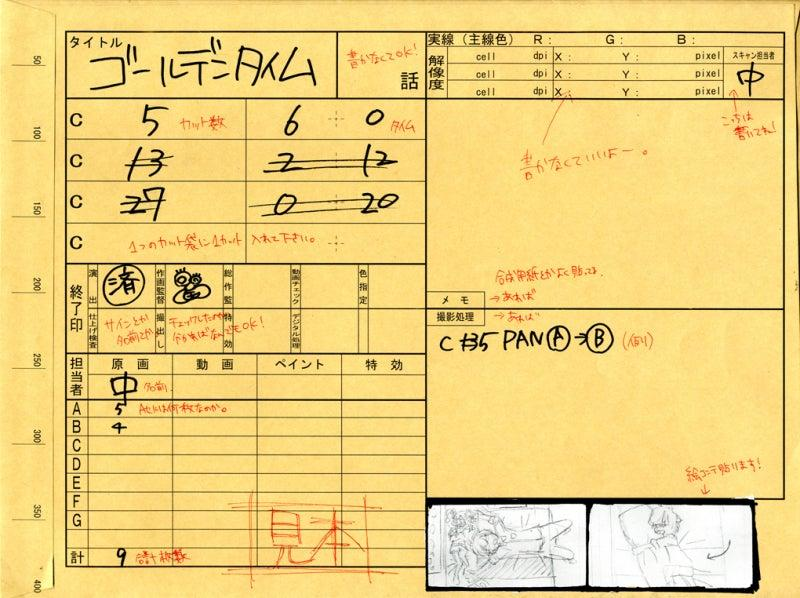
Key drawings establish important visual information, but the production also needs precise instructions for when those drawings appear.
This is where the timing sheet, or taimu shīto (タイムシート), becomes essential.
Often compared with an exposure sheet or X-sheet in English-language animation terminology, a timing sheet organizes information about a cut across its frames.
Depending on the production, it can record drawing numbers, animation layers, timing, dialogue, camera instructions, and other information required by later departments.
A drawing may appear for a single frame or remain on screen for several frames. Different animation layers may also change at different times.
The timing sheet communicates those decisions so that the in-between, finishing, and compositing departments can interpret the intended action.
For example, a character's body might remain still while their mouth changes to match dialogue. The timing sheet can identify how those elements are organized and exposed.
The sheet is a working production document, not merely a record of animation that's already finished. It may be developed and revised as the cut progresses.
Timing Versus Spacing: Why Movement Feels Different
Two closely related animation concepts are timing and spacing.
Timing concerns when an action happens and how long it takes.
Spacing concerns how far an object or character moves between successive displayed positions.
Imagine a character turning their head.
If the head moves through similar distances at regular intervals, the turn may feel relatively even.
If the positions are clustered near the beginning and spread farther apart in the middle, the head may appear to accelerate.
If the movement slows near the end, it may feel more controlled or deliberate.
Animators can communicate these relationships through key drawings, timing sheets, and spacing or in-between charts.
A spacing chart indicates how drawings should be distributed between key positions. It isn't the same thing as the timing sheet, which organizes the cut's frame-by-frame exposure and other production information.
This distinction matters because simply adding more drawings doesn't automatically improve an animation.
The arrangement and timing of the drawings are what give the movement its character.
Why Anime Doesn't Need 24 Unique Drawings Every Second
A common misconception is that every second of anime contains 24 completely different character drawings.
Anime can be presented on a 24-frame-per-second timeline without replacing every drawing on every frame.
A drawing might be exposed for two frames, three frames, or another duration, depending on the intended movement.
Animating on twos means a drawing is generally held for two frames, while on threes means a drawing is generally held for three.
On a 24-frame-per-second timeline, a continuously changing sequence on twos would use 12 distinct drawings per second. On threes, it would use eight.
Those are examples, not fixed production-wide drawing rates.
A single cut may combine different exposure patterns. A character's body might hold while their hair moves, or a rapid action might require more frequent drawing changes than a quiet conversation.
Background movement, camera effects, 3DCG elements, and compositing can also change the finished image independently of the number of character drawings.
The important distinction is between the frame rate of the finished video and the number of unique drawings used to create a particular movement.
ANIMATION TIMING EXPLAINED
24 Video Frames Don't Require 24 Drawings
Each bar below represents one second on a 24-frame timeline. Repeated colors show frames sharing the same drawing.
Simplified constant-exposure examples at 24 fps. Actual anime cuts can mix exposure durations and independently animated layers.
Animation Director Corrections: Refining the Performance
He would ask me to draw something, I would send it again, it would come back with corrections in red pen ...
After the initial layout and rough animation are prepared, the work can be reviewed by the episode director and animation director.
The episode director checks whether the cut communicates the intended action and fits the episode's direction.
The animation director, or sakuga kantoku (作画監督), reviews the drawings for visual quality and consistency with the production's designs.
These checks can lead to corrections, known as shūsei (修正).
Corrections may address a character's proportions, expression, pose, movement, or other aspects of the drawing.
For example, an animator might produce an expressive reaction that works well as a performance but departs too far from the approved character design.
The animation director can provide corrected drawings that preserve the intended acting while bringing the character closer to the production's visual requirements.
A chief animation director may provide another layer of supervision, depending on the project's organization.
Not every cut necessarily passes through identical rounds of review, and the amount of correction can vary.
These reviews are an important part of turning work by many individual animators into a coherent production.
Second Key Animation: Completing the Approved Drawings
After the rough animation has been reviewed, the cut may move into daini genga (第二原画), or second key animation.
This stage develops the approved rough material into more complete key drawings.
The animator follows the layout, rough animation, and correction instructions while refining the character drawings and preparing the material for the next stage.
That can involve clarifying anatomy, clothing, expressions, line work, shadows, and other details that must be accurately represented.
Second key animation shouldn't be confused with in-between animation.
The second key animator is completing the key animation drawings. The in-between department will subsequently work from the approved key animation and timing instructions to prepare the drawings needed for the finished movement.
Importantly, second key animation doesn't always involve a different person.
An animator may complete both the initial and final key animation for an assigned cut. On other productions, or for particular assignments, the rough and final stages may be divided between artists.
The existence of separate ichigen and nigen credits tells us something about how the work was divided, but not necessarily why the production used that arrangement.
UNDERSTANDING KEY ANIMATION
First Key Animation vs. Second Key Animation
First Key Animation
第一原画 · Ichigen
Establishes layouts, rough key poses, acting, movement, and the intended structure of a cut.
Second Key Animation
第二原画 · Nigen
Refines approved rough animation and corrections into completed key drawings for the next production stages.
These are stages of work, not necessarily two different artists. A single key animator may complete both passes, and pipelines vary between productions.
From Approved Key Animation to the Next Department
Once the key animation is completed and the necessary checks have been made, the cut can proceed toward in-between animation and cleanup.
The next department needs clear drawings, timing information, and instructions that explain how the movement should be completed.
At this point, the creative performance has largely been established through the layout, key poses, timing, and corrections.
But the animation isn't yet ready to appear in the finished episode.
The drawings still need to be prepared for consistent playback and coloring, and the visual elements must eventually be assembled into the final image.
That's where Chapter 5 begins.
In-Between Animation, Cleanup, and Coloring
Key animation establishes the performance. In-between artists complete the drawings, while finishing specialists prepare and color them for the final image.
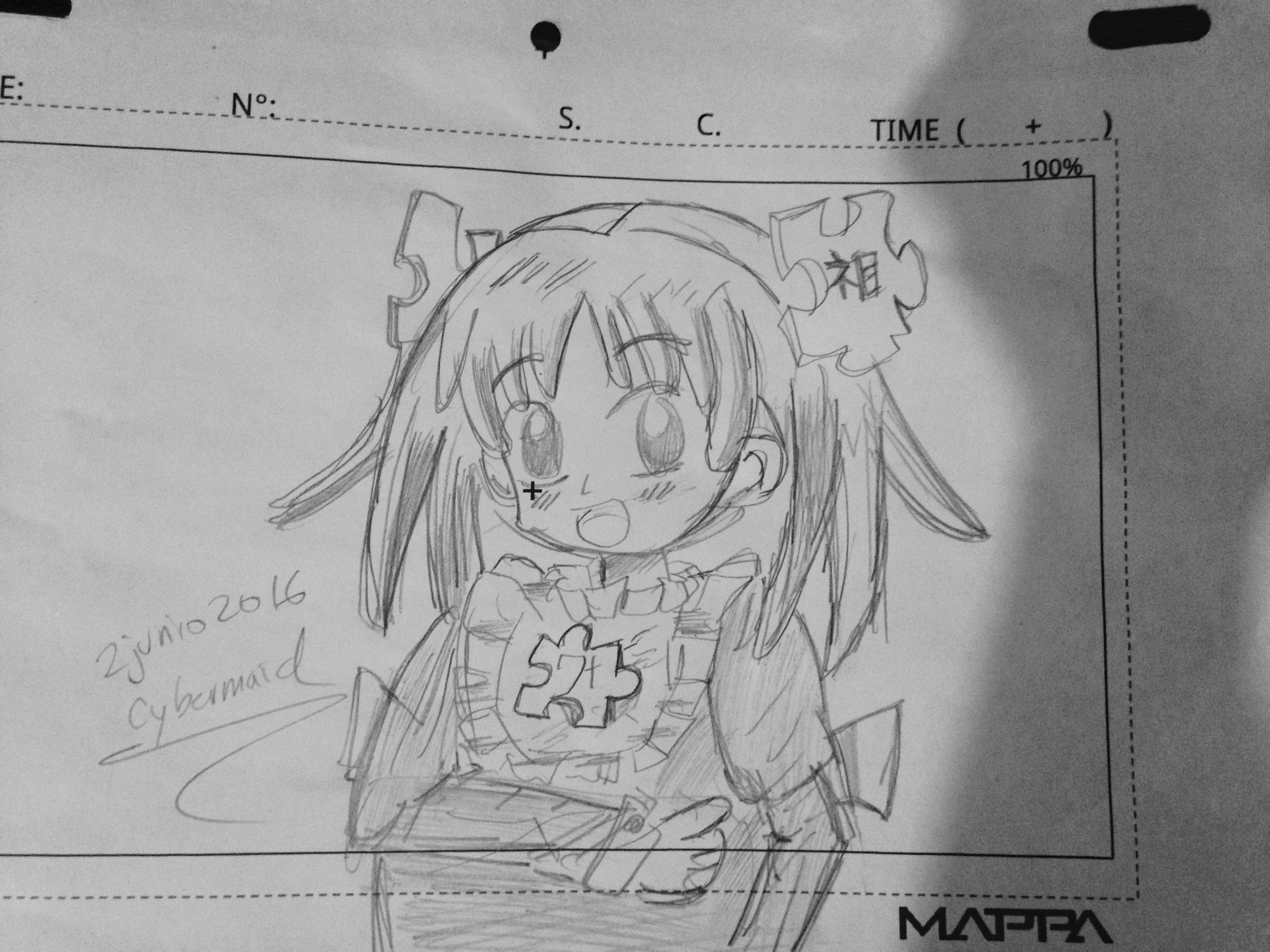
What Happens After Key Animation Is Approved?
By the time a cut completes key animation, its major poses, acting, and intended timing have been established.
But the drawings aren't necessarily ready for coloring.
Some movements still require additional drawings between the key poses. The existing drawings may also contain rough construction lines, incomplete details, or instructions that need to be translated into consistent final line art.
That work is handled during the dōga stage.
The Japanese term dōga (動画) literally means moving images or animation. In the context of traditional Japanese animation production, however, it identifies the stage responsible for preparing cleaned animation drawings and completing the required in-betweens.
The approved key animation, timing sheets, spacing instructions, and character designs provide the information needed to carry out this work.
Dōga: More Than Drawing Between the Keys
The first thing a new animator learns is in-between frames.
In-between animators are often described as artists who fill the gaps between key drawings.
That's part of their job, but it doesn't tell the whole story.
A dōga artist may need to clean up key drawings, produce the required intermediate drawings, maintain character proportions, and ensure that lines and details remain consistent throughout a movement.
Consider a character turning their head from left to right.
The key animator may have established the important positions and timing. The in-between artist must draw the intermediate views needed to complete that movement.
This requires an understanding of the character's three-dimensional form.
The face can't simply slide from one position to another. The nose, eyes, ears, hair, and outline of the head must change in ways that make the turn appear convincing.
The animator also has to follow the approved timing and spacing instructions.
If the movement is supposed to accelerate and then slow down, the intermediate drawings need to reflect that progression.
Dōga therefore combines careful draftsmanship with technical precision.
It's not a stage where the artist independently reinvents the movement, but neither is it merely a matter of mechanically tracing lines.
Cleanup: Preparing Consistent Final Line Art
Cleanup is another important part of the dōga workflow.
Key animation drawings may contain construction lines, overlapping sketches, or rough details that helped the animator plan the performance.
The cleanup process translates those drawings into clearer, consistent line art suitable for the finishing department.
That means deciding which lines belong in the final image, maintaining the character's approved design, and ensuring that details remain stable between drawings.
A small inconsistency can become noticeable when the animation plays.
For example, if a character's collar changes shape unpredictably between drawings, it may appear to flicker. If the thickness of an arm changes unexpectedly, the character may seem to deform.
Cleanup artists work to prevent these problems while preserving the intended movement.
The division between cleanup and in-betweening isn't identical on every production. The same dōga artist may perform both tasks, or assignments may be organized differently.
The important result is a set of drawings that accurately represents the approved animation and can be used by the next department.
Dōga Checking: Reviewing the Completed Drawings
Before animation drawings proceed to coloring, they may undergo a dedicated check.
The staff member responsible is commonly credited under dōga kensa (動画検査), or in-between animation checking.
This work involves reviewing the completed drawings for technical accuracy and consistency.
A checker may look for missing drawings, incorrect numbering, line problems, inconsistent details, and mistakes in how the movement has been completed.
They also need to ensure that the material follows the relevant timing and production instructions.
Imagine that a character's hand is supposed to close around a cup over several drawings.
If one drawing accidentally shows the fingers passing through the handle, that mistake could become visible during playback.
A dōga check provides an opportunity to identify the problem before the drawings proceed further.
The exact checking procedures and division of responsibilities depend on the studio and production.
THE DŌGA WORKFLOW
How Key Animation Becomes Finished Line Art
A simplified example of the work involved after key animation is approved.
-
01 · Approved key animation
Key drawings, timing sheets, and spacing instructions establish the movement.
-
02 · Cleanup and in-betweening
Artists prepare consistent line art and create the required intermediate drawings.
-
03 · Dōga checking
The completed drawings are reviewed for accuracy, consistency, and technical problems.
-
04 · Ready for finishing
The approved line art can proceed to color preparation and digital painting.
This illustrates a common 2D workflow. Cleanup and in-between assignments can be combined or organized differently.
Color Design: Establishing the Anime's Palette
Once the line art is prepared, the animation needs color.
But deciding which colors to use is a separate responsibility from applying them to individual drawings.
The color designer, credited as shikisai sekkei (色彩設計), establishes the production's overall color approach.
This includes decisions about the colors assigned to characters, clothing, and important objects, as well as how those colors should relate to the anime's visual direction.
A character might have a particular hair color, skin tone, eye color, and set of clothing colors.
However, those colors may need different treatments depending on the scene.
A character standing in bright daylight shouldn't necessarily use the same palette as that character standing beneath a dim streetlight.
Color design can therefore involve multiple palettes or variations for different lighting and atmospheric conditions.
These decisions help maintain a coherent appearance across episodes and departments.
They also contribute directly to the storytelling. Color can distinguish locations, establish mood, and reinforce the visual identity of a production.
Color Specification: Choosing the Correct Colors for Each Cut
The next distinction is especially important.
Iro shitei (色指定), or color specification, concerns the colors that should be used for particular cuts and situations.
The color designer establishes the broader color system, while color specification staff identify the appropriate colors for the material being finished.
For example, a character might have an established daytime palette and a separate nighttime palette.
The color specification staff help determine which colors should be used in the relevant cuts, taking the production's approved references and scene requirements into account.
They may prepare instructions or color samples that allow finishing artists to apply the correct palette consistently.
The division of these responsibilities can vary, and the same person may hold multiple color-related credits.
At Toei Animation, color design, color specification, and color checking are explicitly identified as distinct areas of work, although individual staff can move between or perform more than one of them.
Shiage: Applying Color to the Animation
The coloring and finishing stage is commonly called shiage (仕上げ).
In contemporary digital 2D anime production, finishing artists work with the prepared animation drawings and apply the required colors using digital tools.
This often involves filling enclosed regions of line art according to the approved color specifications.
A character's face, hair, clothing, shadows, and highlights may all require separate color regions.
The process sounds straightforward until you consider how many drawings need to remain consistent.
A tiny unclosed line can allow a digital fill to spread into an unintended area. A missed shadow region can make a character's appearance change unexpectedly between drawings.
Finishing artists must therefore pay attention to line boundaries, color assignments, and the details of each image.
Depending on the workflow, drawings may be scanned from paper or created digitally from the beginning.
In either case, the finishing department prepares the colored animation materials that will later be combined with backgrounds and other visual elements.
UNDERSTANDING COLOR CREDITS
Four Jobs Behind Anime's Colors
Color Design
Establishes the overall color system, including character and object palettes.
Color Specification
Identifies the approved colors to use for particular cuts and situations.
Finishing
Applies the specified colors to prepared animation line art.
Color Checking
Reviews completed coloring for mistakes and inconsistencies.
Credits and task assignments vary between productions. One person may perform multiple color-related roles.
Color Checking: Catching Mistakes Before Compositing
Color work also requires quality control.
A color checker, credited under iro kensa (色検査), reviews finished materials to identify coloring mistakes and inconsistencies.
That might include an incorrect color assignment, a missing shadow, an improperly filled region, or a discrepancy between drawings that should match.
Suppose a character wears a red jacket with dark red shadows.
If one drawing accidentally uses the base red where the shadow color should appear, the jacket may visibly flicker as the animation plays.
Color checking helps identify and correct such problems.
It's also important to distinguish this work from the later decisions made during compositing.
A color checker ensures that the finished animation follows the required specifications. A compositor may subsequently adjust the appearance of the combined image through lighting, color correction, and other effects.
Both contribute to the final visual result, but they operate at different stages.
How Digital Animation Changed the Process
Anime was historically produced through a workflow involving drawings on paper, transparent animation cels, and physical photography.
In cel animation, cleaned drawings were transferred to transparent sheets, which were painted and photographed with background artwork.
Modern productions generally use digital tools for finishing and compositing, eliminating the need to paint physical cels for ordinary production.
However, the shift to digital production doesn't mean that every character is generated by a computer.
A 2D animator may still draw each required image by hand, using a pen tablet or display rather than paper.
Other productions may combine paper drawings with digital cleanup and coloring.
A digital workflow can also incorporate 3D models, digitally assisted camera movement, and other computer-based techniques.
These are different production methods.
Why the Colored Drawings Aren't the Finished Scene
At this stage, a character may have clean line art and all the correct colors.
But the finished animation layers still aren't necessarily what the audience will see.
The character may need to be placed over a background, combined with other animation layers, integrated with 3DCG elements, or adjusted to match the lighting of the scene.
A bright daytime palette may be altered during compositing to fit the final atmosphere. A character's movement may also need to align with camera movement, depth effects, or animated environmental elements.
Those tasks belong to the next stage of the production.
The work of the dōga and finishing departments provides the clean, colored animation materials that make that integration possible.
With those materials ready, it's time to explore the backgrounds, 3DCG, effects, and compositing techniques that bring the complete image together.
Backgrounds, 3DCG, Effects, and Compositing
Characters, environments, CG, and visual effects begin as separate elements. Here's how anime production brings them together into a finished shot.
A Finished Anime Shot Is Built From Multiple Elements
By the end of the previous chapter, our character animation had been cleaned up, checked, and colored.
But imagine that character standing in the abandoned train station we've been using as an example.
The character needs a platform beneath their feet, tracks stretching into the distance, and perhaps a flickering overhead light. If the camera moves, the background and character must appear to occupy the same space. If the scene takes place at night, the colors and lighting must support that atmosphere.
Those elements may be created by different artists and departments.
The background team develops the environment. A 3DCG team might create a train or part of the station. Effects artists might animate drifting dust or sparks. The photography department combines these materials into the finished image.
This is why a completed set of character drawings isn't the same thing as a completed shot.
Background Art: Creating the World Around the Characters
Background art, commonly credited as haikei (背景), gives an anime its environments.
Background artists create the scenery that appears behind and around the animated characters, from bedrooms and city streets to forests, spaceships, and enormous fantasy landscapes.
Their work is guided by the production's established visual direction.
As we covered in Chapter 3, bijutsu settei (美術設定), or art settings, help define the structure of locations. Art boards establish important visual references for the environment's appearance and atmosphere.
The individual background artist uses those materials, along with the relevant layout, to create the artwork required for a particular cut.
Suppose our train station scene calls for a wide shot of the platform.
The background artist needs to represent the station from the correct viewpoint, preserve the established architecture, and provide an image that works with the character's placement.
That requires careful attention to perspective, scale, lighting, and composition.
Backgrounds aren't always entirely static. A production may use separate background elements, layered scenery, or other techniques to support camera movement and environmental animation.
The Art Director: Maintaining a Consistent Visual World
The art director, or bijutsu kantoku (美術監督), oversees the visual approach to the backgrounds and environments.
That responsibility can include developing the overall artistic direction, supervising background work, and ensuring that individual locations fit the production's established style.
Consider an anime that moves between a crowded modern city and a remote mountain village.
The environments may use different architectural forms, colors, and textures, but they should still feel like parts of the same visual world.
The art director helps establish and maintain that coherence.
Some productions also assign episode-level art supervision or other specialized art responsibilities.
Toei Animation's own description of its background department distinguishes overall art direction, episode-level supervision, and the creation of background paintings based on art settings and art boards.
These responsibilities may be distributed differently at other studios.
Why Background Art and Layout Aren't the Same Job
Layouts and backgrounds are closely connected, but they solve different problems.
The layout establishes the construction of a particular shot. It communicates framing, perspective, character placement, and other spatial information.
The background artist develops the environment artwork that will appear in that shot.
For example, the layout for our train station might establish that the camera is positioned low to the ground, with the platform receding toward a vanishing point.
The background artist then creates the station from that perspective, adding the architecture, surfaces, lighting, and environmental details.
The distinction is useful even when the same artist contributes to both kinds of work.
Layout determines how the shot is constructed. Background art creates the environment that occupies it.
Where 3DCG Fits Into Anime Production
Not every visual element in an anime is created through hand-drawn 2D animation.
Three-dimensional computer graphics, usually called 3DCG or simply CG in production discussions, can be used to create characters, vehicles, machinery, buildings, environments, and effects.
The exact role of CG varies enormously between productions.
In one anime, 3DCG might be used for a complex vehicle while the characters remain hand-drawn.
In another, CG environments might support camera movements that would be difficult to construct using conventional painted backgrounds alone.
Some productions animate most or all of their characters using 3D models.
Others use 3D material primarily as a reference or an intermediate production tool.
The presence of CG doesn't automatically mean the final image will look photorealistic. CG artists can design materials, lighting, and rendering techniques to make 3D elements resemble the surrounding 2D animation.
The important question isn't simply whether an anime uses CG, but what the CG is being used to accomplish.
How a 3DCG Element Is Made
A typical 3DCG workflow involves several specialized tasks.
First, artists create a digital model of the object or character. This is called modeling.
If the model needs to move, it may require a system of controls and joints, created through a process called rigging.
Animators then use those controls to create movement. A CG character might walk, turn, or perform an action, while a vehicle might follow a carefully planned path through the environment.
Other artists work on materials, textures, lighting, and rendering.
Materials and textures help determine how surfaces appear. Lighting establishes how those surfaces respond to the scene's illumination. Rendering generates images from the 3D scene.
The finished CG output can then be integrated with other visual elements.
These tasks don't always occur in a simple sequence, and the division of work depends on the production.
For example, a rigid mechanical object may not require the same rigging approach as a character with a face, clothing, and articulated limbs.
Likewise, a production using 3D primarily for background reference may not need to render that material as part of the final shot.
THE 3DCG PIPELINE
From Digital Model to Animated Image
A simplified example of the stages involved in creating an animated 3D element.
-
01
Modeling
Build the three-dimensional character, object, or environment.
-
02
Rigging
Create the controls needed to pose and move an articulated model.
-
03
Animation
Develop the model's movement and performance over time.
-
04
Lighting & Rendering
Set the appearance of the scene and generate image output.
Materials, textures, layouts, and other tasks also contribute. Some stages overlap, and not every CG asset requires every step.
Combining 2D and 3D Animation
Many anime productions combine 2D and 3D techniques within the same scene.
Imagine our protagonist standing on the platform as a train approaches.
The protagonist might be hand-drawn, while the train is a 3D model. The platform could be painted background artwork, and the train's headlights could be enhanced during compositing.
For the scene to work, those elements need to agree on perspective, scale, camera movement, and lighting.
The CG train also needs to move in a way that suits the production's visual style.
A mechanically smooth movement may not always match the timing or visual emphasis of the surrounding 2D animation. Artists can adjust CG animation, rendering, and compositing to bring the different elements closer together.
This integration is an artistic process as much as a technical one.
The viewer shouldn't need to understand which department created each element to follow the scene.
Effects Animation: Smoke, Fire, Water, and More
Anime effects can be created through several different methods.
Hand-drawn effects animation may be used for fire, smoke, explosions, water, debris, electricity, and other moving phenomena.
These effects can require considerable drawing skill.
Unlike a character, a cloud of smoke doesn't have a fixed anatomy or a single approved character model. The animator has to design how its shape expands, breaks apart, overlaps, and disappears.
A splash of water presents different challenges. Its movement needs to communicate force and direction while remaining visually readable.
Effects can also be generated or enhanced using 3DCG and compositing tools.
For example, an explosion might combine hand-drawn shapes, CG debris, animated lighting, and additional digital effects.
It's useful to distinguish effects animation, which creates moving visual material, from compositing effects, which modify or combine elements in the finished shot.
They can work together, but they aren't necessarily the same task.
Satsuei: What Does “Photography” Mean in Anime?
One of the most interesting Japanese anime production credits is satsuei (撮影), commonly translated as photography.
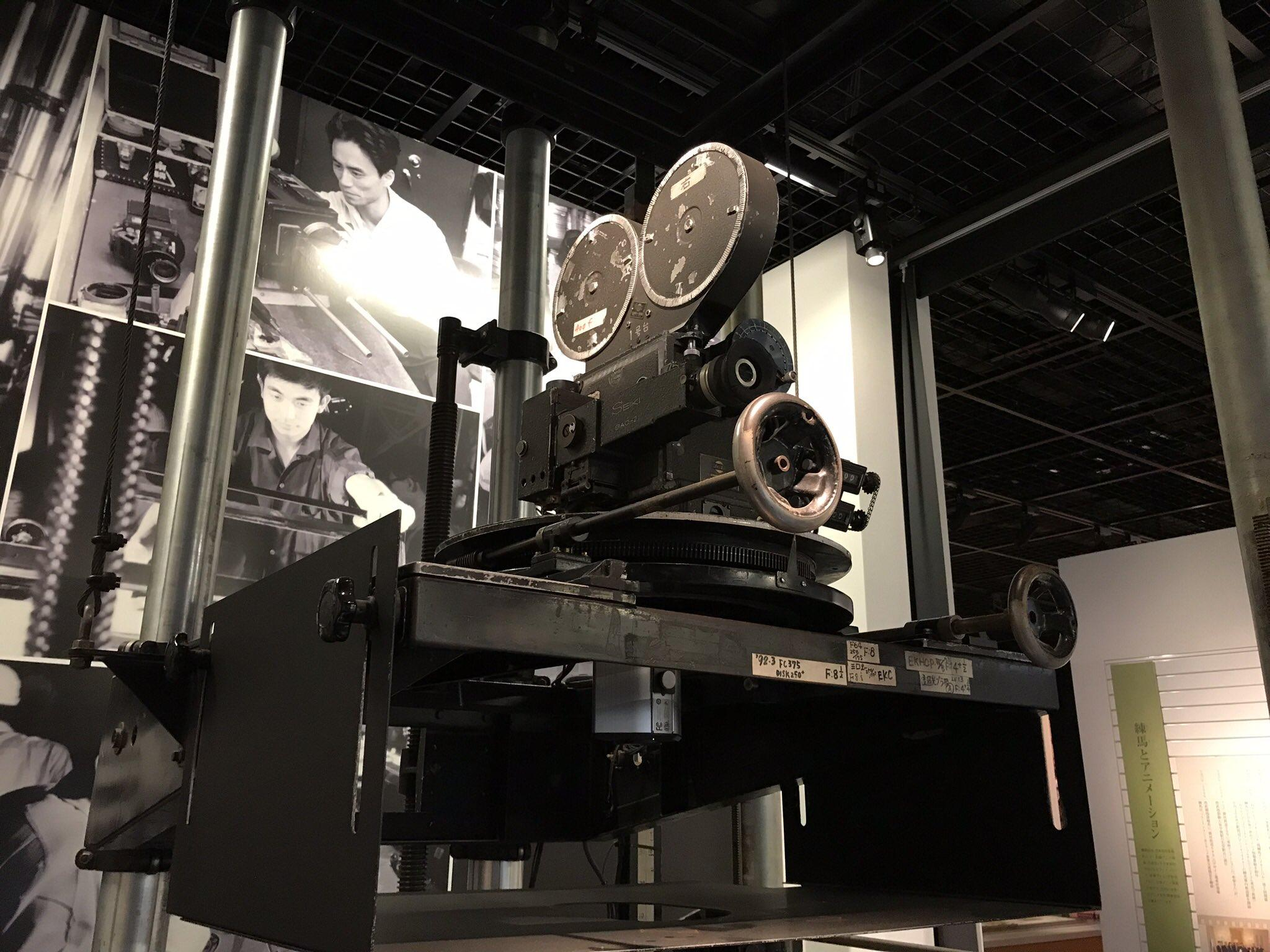
The term comes from the era when animation drawings were transferred to transparent cels and physically photographed over background artwork.
A camera captured the arranged artwork frame by frame to create the moving image.
Contemporary anime production generally performs this assembly digitally.
The name satsuei remains, but the work now commonly involves compositing the various visual materials into the finished shot.
The photography department combines colored animation drawings, background artwork, CG elements, and effects using digital tools.
Production I.G explicitly explains that the term survives from cel-animation photography, when the materials were photographed one frame at a time.
This is why an anime can have a director of photography even when its scenes were never filmed with a physical camera.
The title refers to supervision of the finished image's construction and presentation, not necessarily live-action cinematography.
Compositing: Bringing the Layers Together
Compositing is the process of combining separate visual elements into a unified image.
In a typical 2D anime cut, the compositor might receive colored character animation, background artwork, effects layers, and CG renders.
These materials need to be assembled according to the production's intended composition and timing.
A character may need to appear behind one object but in front of another. A CG vehicle might need to pass through a scene without breaking the established perspective.
Lighting and effects can also be added or adjusted.
For our train station scene, the compositor might combine the painted platform, the animated protagonist, the CG train, and the glow from its headlights.
Additional adjustments could help the different elements share the same atmosphere.
The compositor's work is especially important when the scene contains materials produced using different techniques.
Without careful integration, the elements can appear disconnected, even if each one looks impressive on its own.
INSIDE THE PHOTOGRAPHY DEPARTMENT
One Shot, Multiple Visual Layers
Imagine our train station scene. The finished image could combine several separately created elements.
Headlight glow, dust, and color adjustments
Cleaned and colored 2D animation
A rendered three-dimensional element
Objects positioned in front of the character
Painted environment artwork
The separate elements are combined and visually integrated.
This is an illustrative set of inputs, not a fixed stacking order. Actual compositing uses depth, masks, and other operations as required.
The Director of Photography and the Final Look
The director of photography, or satsuei kantoku (撮影監督), oversees the photographic and compositing approach to the production.
Depending on the anime, that can include supervising how layers are combined, the treatment of lighting and visual effects, and the consistency of the finished images.
Some productions use a restrained compositing style that preserves the appearance of the original drawings and backgrounds.
Others employ extensive lighting effects, atmospheric treatments, camera effects, or stylized color adjustments.
Neither approach is inherently more advanced.
The appropriate treatment depends on the visual direction of the anime.
It's also important not to attribute every visible effect to the photography department. Effects animation, 3DCG, background art, color design, and other departments may contribute material that shapes the finished appearance.
The final image is a collaboration between those specialties.
Camera Movement in a World Without a Physical Camera
Anime can imitate many of the visual techniques associated with cinematography.
A shot might pan across a room, zoom toward a character, follow a moving vehicle, or create the impression of traveling through a three-dimensional environment.
But those movements don't necessarily require a physical camera.
A digital compositor can animate the position and scale of visual layers. A 3D scene can use a virtual camera. Background artwork may be designed to support a particular movement.
The technique depends on the desired result.
For example, a slow pan across a painted landscape may use a large background image moving behind the frame.
A complex movement around a building may use a 3D environment or another carefully planned approach.
Camera movement therefore begins as a directing and layout decision, but its execution can involve several production departments.
When Is a Cut Visually Complete?
A cut approaches visual completion when its animation, backgrounds, CG, effects, and compositing have been assembled and checked against the intended direction.
That doesn't mean every shot follows an identical approval process.
A simple conversation scene may require relatively little compositing, while a complicated action sequence may involve numerous elements and revisions.
Directors and other supervisors may request changes if the shot doesn't communicate the intended action or match the production's visual requirements.
A finished composited cut is also not necessarily a finished episode.
The cuts still need to be assembled and refined through editing, and the anime needs dialogue, music, sound effects, and a final audio mix.
We've now followed the visual production process from storyboard to finished image.
Next, we'll explore how the sound and editing departments turn those images into the complete experience viewers hear and see.
Voice Acting, Music, Sound, and Editing
The visuals tell the story, but voices, music, sound effects, and editing give each scene its rhythm and emotional impact. Here's how those elements come together.
An Anime Isn't Finished When the Pictures Are Finished
By this point in the production process, we've followed an anime from its earliest planning stages to the creation of individual animated shots.
But even a visually complete episode is missing something essential: sound.
A character's performance changes when we hear their voice. A quiet room feels different when there's a clock ticking in the background. A musical cue can turn an ordinary conversation into a moment of suspense.
Editing matters just as much. The length of a shot, the timing of a reaction, and the transition between scenes all influence how the audience experiences the story.
These elements are developed through picture editing, voice recording, music production, sound effects, and mixing.
They also don't necessarily wait until every drawing has been completed. Different parts of picture and sound production can overlap, with departments working from the materials available at the time.
Editing: Finding the Rhythm of an Episode
Editing, or henshū (編集), brings the episode's visual material into its intended sequence and refines how that sequence plays.
The storyboard has already established the planned order and approximate duration of the cuts. Editing develops that structure using the available moving images.
An editor works with the directing team to shape transitions, pacing, and the relationship between shots.
Consider our abandoned train station scene.
The protagonist enters the station, hears a sound, and turns toward the empty platform.
If the shot of the empty platform lasts only a moment, the scene may feel brisk. If the editor holds it longer, the audience has more time to anticipate what might appear.
The images could be identical, but the experience changes with the edit.
Editing can also reveal problems that are less obvious when cuts are reviewed individually. A scene may need a longer pause, a transition may feel abrupt, or the overall episode may require timing adjustments.
The editor isn't necessarily free to change every aspect of the episode independently. Decisions are made within the production's directing and approval structure.
Why Editing Can Begin Before Every Cut Is Finished
One of the easiest mistakes to make when imagining anime production is assuming that editors receive a completely animated episode and only then begin working.
In practice, editing can begin using incomplete visual materials.
A production may assemble storyboards, layouts, rough animation, completed cuts, or other temporary images into a working version of the episode.
These materials help establish the intended order and duration of scenes while the remaining animation continues.
As completed footage becomes available, the temporary material can be replaced.
This is particularly useful when other departments need a version of the episode before all the visual work is finished.
Voice actors, sound directors, composers, and effects staff may need to understand how a scene is structured and how long its actions last.
The working edit gives them a reference, even when some of the images are still unfinished.
The exact timing of editing and the materials used vary by production.
Afureko: Recording the Characters' Voices
Japanese anime voice recording is commonly called afureko (アフレコ), a shortened form of after recording.
The term generally refers to recording dialogue while working with visual material, rather than recording all performances before animation begins.
Voice actors, or seiyū (声優), perform the characters' dialogue under the direction of the appropriate creative and sound staff.
During a recording session, performers may watch a video reference while following an afureko script.
The reference helps them understand when a character speaks, how long a line should take, and what is happening in the scene.
However, the displayed footage isn't always finished animation.
A recording reference may contain rough drawings, incomplete movement, or other temporary images. The actors must interpret the performance using the script, the available visuals, and the direction they receive.
This is one reason voice acting for animation requires careful attention to timing as well as emotion.
How Voice Actors Build a Performance
Voice acting isn't simply reading the dialogue printed in a script.
An actor must understand what a character wants, what they're feeling, and how their performance should fit the scene.
Return to our protagonist in the train station.
The character hears a voice from the darkness and asks, "Who's there?"
That line could be delivered with fear, irritation, curiosity, or relief.
Each interpretation changes how the audience understands the character and the situation.
The actor's choices must also fit the episode's visual direction.
A quiet, restrained scene may call for a subtle performance. An exaggerated comedic sequence may require a very different approach.
During recording, the director or sound director can request adjustments to delivery, emotion, emphasis, or timing.
The process can involve multiple takes until the performance fits the intended scene.
Production I.G's interviews about Le Chevalier D'Eon describe voice actors preparing their own interpretations before recording and adjusting those performances when the visuals or directing intentions require it.
The Sound Director: Guiding the Audio Performance
The sound director, or onkyō kantoku (音響監督), oversees important aspects of an anime's sound presentation.
Depending on the production, this can include directing voice performances, coordinating the use of music and effects, and supervising how the audio supports the story.
The sound director works with the anime's creative leadership to understand the intended emotional and dramatic effect of each scene.
For example, the director might want the train station to feel unsettling without relying on obvious horror music.
The sound director could help develop an approach built around distant environmental sounds, restrained performances, and carefully placed silence.
The responsibilities of the sound director aren't identical on every production.
Some anime use different sound supervision arrangements, and the series or episode director may take a more direct role in recording and sound decisions.
The important distinction is between the overall creative direction of the anime and the specialized direction and coordination of its audio.
Does Anime Always Record Voices After Animation?
No. The recording order depends on the production.
Afureko is a familiar part of Japanese anime production, but that doesn't mean actors always record against completed footage.
They may perform while watching an incomplete version of the episode.
Some productions also use puresuko (プレスコ), derived from pre-scoring, in which dialogue is recorded before the corresponding animation is completed.
With this approach, animators can use the recorded performance as a reference when developing the characters' acting and timing.
The distinction is useful, but it shouldn't be treated as an absolute division between two entirely separate industries or methods.
Productions can use different recording arrangements for particular scenes or sequences.
What matters is how the dialogue performance and animation are coordinated.
UNDERSTANDING VOICE RECORDING
Afureko vs. Puresuko
Afureko
アフレコ
Voice actors record dialogue using existing visual material as a reference. The animation may be complete or unfinished.
Puresuko
プレスコ
Dialogue is recorded before the corresponding animation is completed, allowing animators to use the voice performance as a reference.
These terms describe recording approaches, not rigid rules for entire productions. Individual projects may combine methods.
Music: Creating the Emotional Language of an Anime
Music is another major part of an anime's identity.
The score, commonly referred to as gekiban (劇伴), consists of music created or selected for use within the work.
A composer may develop themes associated with particular characters, locations, emotions, or dramatic situations.
The music production process can involve discussions with the director, sound director, music producer, and other staff about the desired style and the needs of the story.
For our train station scene, the music might begin with a low, sustained tone that becomes more prominent as the protagonist approaches the platform.
Alternatively, the creative team might decide that the scene works better without music.
Both are deliberate sound choices.
The score may be composed and recorded before the final episode edit is complete. Depending on the project, music may be prepared for anticipated situations and then selected or adjusted during sound production.
Other productions can use a more scene-specific approach.
The relationship between composition, editing, and the final mix therefore varies.
Opening Themes, Ending Themes, and Insert Songs
The music heard in an anime isn't limited to its background score.
Opening themes, ending themes, and insert songs may be developed through separate arrangements involving music producers, record labels, artists, and the anime's creative staff.
These songs can serve different purposes.
An opening theme introduces the series and helps establish its identity. An ending theme can provide a contrasting emotional tone after an episode concludes.
An insert song may accompany a specific scene, performance, or dramatic moment.
The accompanying animation also requires its own production work, including planning, storyboarding, animation, and compositing.
The music and visuals need to be coordinated, but the order in which they're developed depends on the production.
Sound Effects: Making an Animated World Feel Physical
Sound effects are often most noticeable when they're missing.
Footsteps, clothing movement, doors, machinery, wind, water, and impacts help give an animated environment a sense of physical presence.
The Japanese credit onkyō kōka (音響効果) commonly refers to sound effects work.
Effects specialists select, create, edit, and prepare sounds that suit the action and visual style.
A realistic footstep isn't necessarily the right sound for every anime. An exaggerated comedy may call for a deliberately stylized effect, while a restrained drama might use quieter, more naturalistic sounds.
Our train station could require footsteps on concrete, a distant electrical hum, the movement of clothing, and the sound of an approaching train.
Those sounds help establish the environment even when the corresponding objects aren't visible.
Production I.G's production diary for xxxHOLiC describes effects staff preparing sounds for footsteps, clothing, environmental ambience, and character-specific comedic moments before the final mixing session.
Dubbing: Combining Dialogue, Music, and Effects
In Japanese anime production, dabingu (ダビング) commonly refers to the mixing stage where dialogue, music, and sound effects are brought together.
This use of the word dubbing shouldn't be confused with the English-language meaning of replacing an original voice track with dialogue in another language.
The process is closer to what English-language post-production terminology calls rerecording mixing or final audio mixing.
The team balances the different sound elements so they support the intended scene.
Dialogue needs to remain intelligible when appropriate. Music must sit at the right level. Effects should reinforce the action without overwhelming other important sounds.
For example, the train's arrival might gradually grow louder while the protagonist speaks.
The mixer needs to balance the approaching train, the character's dialogue, and any music to achieve the intended effect.
The mix can also involve decisions about spatial placement, transitions, reverberation, and the overall sound environment.
The director, sound director, and other relevant staff may participate in reviewing the result.
INSIDE THE SOUND DEPARTMENT
How the Final Audio Mix Comes Together
セリフ
Recorded character performances
音楽
Score, themes, and musical cues
効果音
Action sounds and environmental ambience
Dialogue, music, and effects are balanced and synchronized to create the final audio mix.
Simplified example. A real mix can contain many individual tracks, edits, and processing operations.
Why Silence Matters as Much as Sound
A good sound mix doesn't mean filling every moment with music or effects.
Silence, or the deliberate reduction of sound, can be one of the most effective tools in an anime.
Imagine that the train finally stops.
The protagonist looks toward an open carriage door.
Instead of immediately playing a dramatic musical cue, the scene becomes almost silent.
That absence of sound can draw attention to the character's breathing, the empty platform, or the possibility that something is about to happen.
These choices are part of sound direction and editing.
They show how an anime's emotional impact depends on the relationship between what viewers see, what they hear, and what the production chooses to leave out.
Bringing Picture and Sound Together
The finished episode emerges from the coordination of its picture and sound.
Editing establishes the sequence and rhythm of the visuals. Voice recording supplies the characters' performances. Music and effects shape the atmosphere. Mixing balances the sound elements into a coherent presentation.
These processes can involve revisions and exchanges of updated materials.
A visual cut may change after an early edit. A sound cue may need to be adjusted to match revised timing. The final picture and audio must ultimately correspond to the same approved version of the episode.
Once the production has completed the necessary checks and finishing work, the episode can be prepared for delivery.
That leads to another important question: how does a studio coordinate so many overlapping tasks across an entire television series?
We'll answer that in Chapter 8.
How Anime Episodes Are Scheduled and Delivered
While one episode is being storyboarded, another may be in key animation and a third may be approaching final delivery. Here's how production teams coordinate the moving pieces.
An Anime Series Isn't Made One Episode at a Time
Imagine a television anime with twelve episodes.
It's tempting to picture the studio completing Episode 1, moving on to Episode 2, and repeating that process until the series is finished.
That isn't how a typical television production is organized.
Different episodes can move through the production pipeline simultaneously. One might be undergoing storyboard revisions while another is in key animation. A third could be receiving its final colors, and a fourth might already be in editing or sound production.
Individual departments can also work on different parts of the same episode at once.
This overlapping structure allows a production to coordinate the many tasks involved in completing a series.
It also means that managing an anime requires more than knowing which episode is currently being animated.
Someone has to know which cuts are ready, which materials are still being reviewed, and what each department needs before it can proceed.
The Production Schedule: Planning the Work
For that purpose, we keep an efficient staff arrangement and prepare flowcharts for each title.
A production schedule organizes the tasks, reviews, and milestones required to complete the anime.
Some planning begins long before animation starts.
During the project's early stages, the production team establishes major deadlines, determines staffing needs, and works out how the available production resources will be allocated.
Those plans become more detailed as individual episodes move into production.
An episode schedule might include milestones for scripts, storyboards, layouts, key animation, in-between animation, finishing, backgrounds, compositing, editing, and sound.
But these stages don't necessarily occupy separate, non-overlapping blocks of time.
For example, the background department may begin preparing artwork for approved layouts while character animation continues.
Likewise, the sound department may prepare materials using an incomplete picture edit.
The schedule must account for these relationships.
A useful way to understand it is as a network of connected tasks rather than a simple checklist.
The Production Desk: Coordinating Multiple Episodes
The seisaku desuku (制作デスク), often translated as production desk, is a production management role that helps coordinate the work across episodes.
At Production I.G, a staff interview describes the production desk as responsible for managing episode schedules and coordinating the people involved in the work.
This is different from the responsibilities of an individual episode's production assistant.
The production desk needs a broader view of the project's progress, while episode-level production staff concentrate on the assignments and materials associated with their particular episodes.
The exact hierarchy varies between studios.
Some productions also use titles such as production manager or production supervisor for related responsibilities.
These roles help connect the work of individual episodes to the larger production plan.
Seisaku Shinkō: The Person Tracking the Episode
The seisaku shinkō (制作進行) is one of the central coordination roles in Japanese anime production.
This position is commonly translated as production assistant or production coordinator, although English credit conventions vary.
A production assistant may be assigned responsibility for tracking an episode and coordinating its progress through the production departments.
Their work involves communication, organization, and the movement of information and materials.
They need to know which artists have been assigned particular cuts, whether those cuts have been submitted, and what needs to happen next.
They may also coordinate review materials, follow up on corrections, and ensure that approved work reaches the appropriate department.
At Bandai Namco Pictures, a production assistant describes the job as connecting the departments involved in an episode through the exchange of data and information, with the goal of delivering the assigned episode according to its schedule.
Toei Animation likewise identifies communication, coordination, ordering materials, and collecting completed work as core production-management activities.
The production assistant doesn't personally perform every creative task.
Their job is to help the specialists performing those tasks work together.
How Production Staff Track Individual Cuts
A television anime episode is divided into cuts, each representing a continuous shot.
Because different animators can be assigned different cuts, the production team needs to track progress at a more detailed level than the episode as a whole.
A cut may pass through layout, directing checks, animation corrections, key animation completion, in-between animation, finishing, and compositing.
The production staff need to know where that cut currently stands.
For example, a tracking record might show that Cut 042 has completed key animation but is waiting for a correction check.
Cut 043 might already be in the in-between department.
Cut 044 might have finished coloring and be ready for compositing.
Tracking these statuses helps production staff understand which materials are available and which steps remain.
The exact tools used vary.
A studio may use digital production-management software, spreadsheets, databases, or other internal tracking systems.
The important principle is that the status of each assignment must be visible to the people coordinating the work.
[INSERT HTML CUT TRACKING EXAMPLE HERE]
Why One Episode Can Involve Several Studios
The animation studio credited with producing a series doesn't necessarily create every visual element entirely within its own facilities.
An anime production can involve other animation studios, specialist companies, and individual artists.
Some outside contributors may handle specific cuts or departments, such as key animation, in-between animation, backgrounds, finishing, or 3DCG.
In other cases, another studio may take responsibility for a larger portion of an episode's production.
This is often described through terms such as gross outsourcing, episode outsourcing, or guro-su (グロス), although the precise scope of the assignment depends on the arrangement.
An outsourced episode still needs to follow the series' established designs, direction, and technical requirements.
The main production must therefore coordinate the exchange of reference materials, work-in-progress footage, corrections, and completed assets.
This is another reason production management matters.
The creative process may be distributed across many organizations, but the finished episode still needs to function as a coherent part of the series.
Multiple Departments, Multiple Production Coordinators
Production coordination can also be divided by specialty.
Toei Animation identifies separate progression roles for episode production, background art, finishing, and CG.
These coordinators manage different parts of the production process while communicating with one another.
For example, a background coordinator may need to know which layouts have been approved so the art department can begin the required paintings.
A finishing coordinator may need information about completed animation drawings and the color materials required for them.
A CG coordinator may track models, animation assignments, and other computer-graphics deliverables.
The exact structure depends on the studio.
The larger point is that production coordination isn't always handled by one person moving every drawing from beginning to end.
It can be a network of specialized staff managing connected workflows.
Checks and Approvals: How a Cut Moves Forward
We've encountered several kinds of checking throughout this guide.
Layouts and rough animation may be reviewed by the episode director and animation director.
Completed animation drawings may undergo dōga checking.
Colored materials may be reviewed through color checking.
Composited cuts may be examined to ensure that the final image matches the intended direction.
These checks serve different purposes.
A drawing can be technically clean but still require a directing adjustment. A cut can have correct animation but contain a compositing error.
Passing one review doesn't automatically mean that every other part of the cut is complete.
The production team must therefore track both the materials themselves and the approvals needed for them to proceed.
This is especially important when a correction affects work that another department is preparing to use.
Retakes: When Work Needs to Be Revised
In anime production, a retake (リテイク) refers to work that must be corrected or revised after review.
The term can apply to different stages and kinds of material.
A director might request a change to a character's expression.
An animation director might correct a pose that doesn't match the approved character design.
A compositor might need to fix the placement of a visual element or adjust an effect.
Not every correction is the same kind of retake, and studios may use different terminology for particular review stages.
The important point is that revision is part of the production process.
Consider our train station scene.
Suppose the protagonist turns toward the approaching train, but the completed cut makes the reaction look too calm.
The episode director might request a stronger reaction.
Depending on the nature of the change, the relevant drawings may need to be adjusted and the revised material passed through subsequent steps.
A smaller problem, such as an incorrect visual effect, might be corrected at a later stage without requiring the entire animation to be redrawn.
Production staff help identify which materials are affected and coordinate the revised work.
Why a Retake Can Affect More Than One Department
The production pipeline contains dependencies.
If a key animation drawing changes, the in-between drawings based on it may also need revision.
If the corrected drawings have already been colored, the finishing materials may need to be updated.
If the cut has already been composited, the compositor may need to replace the earlier animation with the corrected version.
A change to the timing of a shot can also affect editing or sound synchronization.
This doesn't mean every correction automatically requires every department to repeat its work.
The impact depends on what changed and how far the affected material has progressed.
But it explains why production staff need to track revisions carefully.
An updated cut must reach the departments that need it, and outdated materials must not accidentally be used in the final episode.
How Different Episodes Overlap
Let's return to our hypothetical twelve-episode television anime.
At one moment, several episodes could be at different points in production.
Episode 3 might be in final compositing and sound mixing.
Episode 4 might be in finishing and background work.
Episode 5 might have cuts distributed across key animation and in-between animation.
Episode 6 might be undergoing layout checks.
Episode 7 might still be in storyboarding.
These are illustrative statuses, not a standard schedule that every anime follows.
The actual overlap depends on the project's planning, episode complexity, staffing, and production arrangements.
It also isn't necessarily a straight progression in which every earlier episode is more complete than every later one.
Different episodes may contain different kinds of work, and individual cuts can move forward at different speeds.
A SERIES IN MOTION
Five Episodes, Different Production Stages
At the same moment, several episodes can be moving through different parts of the pipeline.
Compositing and sound production
Finishing and background work
Key and in-between animation
Layout and directing checks
Storyboarding
Hypothetical example, not a fixed production schedule. Individual cuts and departments can progress at different rates within each episode.
Final Checks: Preparing the Completed Episode
As the episode approaches completion, its visual and audio materials must be assembled into an approved final version.
The exact process varies, but it can involve checking the picture edit, composited footage, dialogue, music, effects, titles, credits, and technical output.
The team also needs to confirm that the correct versions of the materials have been used.
For example, if a composited cut was revised after an earlier review, the final episode should contain the approved replacement rather than the outdated version.
Audio and picture must remain synchronized.
The episode also needs to meet the technical requirements of its intended destination.
A broadcaster, streaming service, distributor, or other recipient may specify particular file formats, audio configurations, image specifications, or accompanying materials.
These requirements are determined by the relevant delivery agreement and technical standards.
What Does Anime Delivery Actually Mean?
Delivery, or nōhin (納品), is the process of providing the required completed materials to the designated recipient.
For a television anime, that may involve supplying an approved episode master and associated deliverables to the broadcaster or another designated party.
For streaming distribution, the production and distribution partners may need versions that meet platform-specific technical requirements.
The exact files and procedures differ between projects.
A finished episode may also require additional materials for international distribution, localization, accessibility, or later releases.
Those tasks aren't necessarily all completed by the animation studio itself.
It's useful to distinguish the completion of the original animation production from the broader distribution process.
The episode can be finished from the studio's perspective while other partners continue preparing it for particular audiences and platforms.
Delivery Isn't the End of the Anime's Journey
Once the episode is delivered, it can move into broadcasting, streaming, distribution, and other release processes.
But the production may also generate additional versions for later uses.
A home-video release, for example, may involve revised materials or different technical preparation.
International releases may require subtitles, alternate audio, localized graphics, or other deliverables.
The extent of that work depends on the project and its distribution arrangements.
For our purposes, delivery marks the point where the coordinated work of the anime's production departments becomes a completed episode ready for its intended recipient.
It's the result of many individual assignments, reviews, and decisions finally coming together.
Now that we've followed a television episode from planning to delivery, we can examine how that process changes when the project isn't a conventional TV series.
Next, we'll compare television anime, theatrical films, and 3DCG-focused productions.
How TV Anime, Movies, and 3DCG Productions Differ
Television series, theatrical films, and CG-focused anime share the same storytelling foundations, but their schedules, staffing, and animation workflows can be organized in very different ways.
The Same Art Form, Different Production Approaches
We've spent the previous eight chapters following an anime from its initial concept to the delivery of a finished episode.
But that journey has largely focused on a conventional television production using predominantly 2D animation.
What happens when the project is a theatrical film? Or when its characters are animated using 3D models instead of a sequence of hand-drawn images?
The fundamental creative questions remain familiar.
Someone still needs to develop the story, establish the visual direction, design the characters, plan the shots, create the performances, and bring picture and sound together.
What changes is how those tasks are divided, coordinated, and completed.
There is also an important distinction between a production's release format and its animation technique.
A television series can use hand-drawn animation, 3DCG, or both. The same is true of a theatrical film.
Understanding that distinction helps explain why anime productions can look very different behind the scenes, even when their finished images share a recognizable visual style.
TV Anime: A Production Built Around Episodes
Television anime is organized around a sequence of episodes.
Each episode has its own script, storyboard, directing assignments, animation work, editing, and delivery requirements, while remaining part of a larger series.
The series director and other senior creative staff establish the overall direction, but individual episodes can involve different episode directors, animation directors, and animators.
That arrangement creates a particular production structure.
Several episodes may be moving through different departments simultaneously, as we discussed in Chapter 8.
One episode might be receiving its final compositing while another is being storyboarded and a third is in key animation.
Even though these episodes overlap during production, they generally need to be completed in accordance with their planned release or delivery schedule.
The production team therefore manages both the progress of the individual episodes and the consistency of the series as a whole.
Character designs, color references, settings, and other materials help different teams maintain a shared visual identity.
What Makes a Theatrical Anime Production Different?
When we create TV series, we produce each 30-minute episode in order and submit sequentially, keeping up with the broadcasting schedule.
A theatrical anime film is generally organized around a single feature-length work rather than a series of separately delivered television episodes.
That changes how the story and production are managed.
Instead of constructing a narrative across multiple installment boundaries, the filmmakers develop the movie as a complete viewing experience.
The film still contains individual sequences and cuts, but those sequences belong to one larger work.
A feature production may divide the movie into sections and assign those sections to different teams.
However, the production's major completion milestones are usually organized around delivering the film as a whole.
Studio TRIGGER co-founder Masahiko Otsuka explained this distinction while discussing the production of the theatrical film Promare.
He described the studio's television work as a process in which episodes are completed and delivered sequentially. For Promare, the movie was divided into multiple sections that progressed toward completion together.
The experience demonstrated that producing a film requires a different approach to coordinating the work.
It's a useful example, although not a rule that every theatrical production must follow.
Does a Movie Have a Bigger Budget or Better Animation?
Anime films are frequently associated with elaborate action, detailed backgrounds, and particularly polished character animation.
But it's misleading to assume that theatrical anime automatically has a larger budget, more production time, or better animation than television anime.
The amount of money and time available depends on the individual project, its financing, the production arrangements, and the creative decisions made along the way.
A theatrical release doesn't guarantee a particular animation standard.
Likewise, a television series can feature exceptionally ambitious sequences, carefully developed art direction, and extensive compositing.
The same fundamental animation principles apply to both formats.
A convincing character performance still depends on posing, timing, spacing, and visual storytelling.
The difference is that individual productions make different choices about where to concentrate their resources and how to organize the creative process.
The most useful question isn't whether movies are inherently better than television anime.
It's how a particular production uses the time, people, and techniques available to achieve its intended result.
Creative Supervision: Episode Teams Versus Feature Teams
A television production typically needs a system for managing the creative work of several episodes at once.
Individual episodes may have their own directors and animation supervisors, working under the series' broader creative leadership.
This creates opportunities for different artists to contribute their interpretation while following the established designs and direction.
Feature films can be organized differently.
Depending on the project, a film director and a smaller group of senior supervisors may maintain more direct oversight across the complete work.
But that doesn't mean a movie has only one animation director or that every cut receives personal corrections from the film director.
Feature films can employ multiple animation directors, sequence directors, and other specialized supervisors.
Eunyoung Choi of Science SARU described a distinction in the studio's own approach: its feature-film work could be led by one director and one principal layout or animation director, while television production required directing and animation supervision across individual episodes.
That's a valuable insight into one studio's organization, rather than a universal staffing formula.
How Storyboards and Editing Change With the Format
The storyboard remains essential in television and theatrical anime.
It establishes how the story is divided into shots and communicates the intended visual direction.
For television, each episode has its own storyboard, even though the episode belongs to a larger narrative.
For a movie, storyboard development and picture editing must also consider the structure and rhythm of the complete feature.
A scene that works well on its own might need adjustment when placed between two larger sequences.
Filmmakers can use storyboard assemblies, temporary footage, and revised edits to evaluate the flow of the movie before every shot is complete.
Television episodes also undergo revisions and editorial decisions, so this isn't an exclusive feature-film technique.
The distinction is the scale of the narrative being coordinated.
In a series, the team must consider the rhythm of individual episodes and the progression of the season.
In a film, the complete viewing experience becomes the main unit of storytelling.
PRODUCTION FORMAT COMPARISON
TV Anime vs. Theatrical Anime
Both use many of the same animation techniques. The main difference is how the finished work is organized and delivered.
Television Anime
A series made up of individual episodes.
- Episode-level scripts and storyboards
- Multiple episode teams and supervisors
- Overlapping episode production
- Sequential episode delivery
- Consistency maintained across the series
Theatrical Anime
A complete feature made up of connected sequences and shots.
- Feature-level story planning
- Sequence-based production assignments
- Multiple sequences produced in parallel
- Delivery of the complete film
- Consistency maintained across the feature
These are common organizational differences, not universal rules. Staffing, scheduling, and supervision vary between productions.
3DCG Anime: A Different Way to Create the Animation
Now we can separate release format from animation technique.
A 3DCG-focused anime may be released as a television series, theatrical film, or streaming production.
Rather than drawing every required character pose as a separate 2D image, artists animate digital three-dimensional models.
This changes the organization of the animation pipeline.
A character must first be designed and modeled. If the character needs to move, its digital model typically requires a rig that allows animators to control its body and expressions.
Once those assets are prepared, CG animators can create performances and camera movements within a three-dimensional scene.
Other specialists may work on materials, lighting, rendering, effects, and compositing.
The project still requires strong directing, layout, timing, and acting.
But the technical materials used to create those performances are different from those in a conventional hand-drawn 2D production.
Why CG Productions Invest in Reusable Assets
One major difference between hand-drawn 2D animation and model-based 3DCG animation is how visual assets can be reused.
In a 2D production, approved character designs provide references that animators follow when creating drawings for individual cuts.
A character may appear in hundreds of cuts, but the animator generally still has to draw the poses required for those performances.
In a 3DCG production, the team can create a reusable digital character model.
The same model and rig may be used across many scenes and episodes.
This can support consistent character proportions and allow animators to work with an established set of controls.
However, that reuse doesn't make the work automatic.
The model must be designed, built, and prepared to perform appropriately.
A character's facial expressions may require specialized deformation controls. Clothing, hair, and other elements may need additional setup.
And a model that looks convincing from one angle may not automatically create the most appealing image from another.
Reusable assets change where some of the production effort occurs. They don't eliminate the need for skilled animation.
Making 3D Characters Look Like Anime
An anime production that uses 3DCG doesn't necessarily aim for realistic-looking computer graphics.
Many projects deliberately develop stylized characters and rendering techniques that reflect the visual language of 2D anime.
That can involve controlling outlines, shadows, facial features, camera perspective, and the timing of movement.
Consider a character's face.
A three-dimensional model might look appealing when viewed from the front but less recognizable from a dramatic low angle.
A CG production can develop special controls or alternate facial shapes to preserve the intended design from different viewpoints.
Studio Orange provides a concrete example.
During its work on Land of the Lustrous and subsequent projects, the studio developed tools that could adjust facial model shapes in relation to the camera.
The goal was to maintain appealing anime-style facial proportions even as the viewing angle changed.
This is a reminder that stylized CG animation isn't simply realistic 3D animation with different colors.
The production may need specialized tools and substantial artistic adjustments to achieve its chosen look.
Does 3DCG Make Anime Faster to Produce?
Not automatically.
Digital models can be reused, and some types of camera movement or complex mechanical animation may benefit from a 3D workflow.
However, creating those assets introduces work of its own.
Modeling, rigging, look development, lighting, rendering, and technical preparation can require considerable planning before the animation is ready to use.
And once the models exist, artists still have to animate the performances.
A character may need carefully adjusted poses, facial expressions, body movement, and timing to match the director's intentions.
CG footage may also require hand-drawn additions or compositing adjustments to achieve the desired appearance.
Studio Orange's work on TRIGUN STAMPEDE illustrates how specialized the process can become.
Its production incorporated recorded performances, motion-capture techniques, hand-adjusted animation, and compositing work.
The studio also developed a workflow in which cut animators could remain involved through rendering and compositing rather than handing every stage to a separate department.
That approach suited the particular production, but it isn't how every CG studio organizes its work.
Like 2D animation, 3DCG production involves choices about artistic control, technical methods, and coordination.
DIFFERENT ANIMATION TECHNIQUES
How 2D and 3DCG Build a Character's Performance
Hand-Drawn 2D
- Character Design
- Key Drawings
- In-Betweens and Cleanup
- Coloring
Artists draw the required performances, using shared character designs and other approved references.
Model-Based 3DCG
- Character Design
- Model and Rig
- CG Animation
- Rendering
Artists animate reusable digital models, which may require shot-specific adjustments.
Simplified workflows. 2D productions can also reuse drawings and animation cycles. Both approaches include additional tasks, and hybrid productions combine methods.
Hybrid Anime: Combining Hand-Drawn and CG Techniques
Many anime don't fit neatly into an entirely hand-drawn or entirely 3DCG category.
A production might use hand-drawn character animation with 3D vehicles and environments.
Another might animate its principal characters in 3D while relying on 2D artwork for certain effects, facial details, or backgrounds.
Sometimes 3D models are used only as references for perspective or movement, and the final visible animation remains hand-drawn.
We've already seen how these techniques can come together during the photography and compositing stage.
The choice depends on what the production needs from a particular shot.
A complicated mechanical object may benefit from being modeled in 3D. A highly expressive character reaction might be better suited to the production's chosen 2D animation approach.
Studio 4°C's theatrical film Tekkonkinkreet is an example of a production that combined 3DCG with traditional hand-drawn animation.
The studio explicitly identifies that combination as part of the film's visual approach.
Rather than judging the techniques separately, the production aimed to make them work together as one coherent film.
What About Anime Made for Streaming?
Television and theatrical releases aren't the only ways anime reaches viewers.
Some anime projects are developed for online distribution, often described using the term original net animation, or ONA.
A streaming-first production may be released all at once, in batches, or according to another distribution schedule.
However, its animation can still follow many of the same creative and technical processes as television anime.
The project still needs scripts, storyboards, animation, backgrounds, compositing, editing, and sound.
What differs is the release arrangement and any production or delivery requirements established for the project.
A streaming release doesn't automatically guarantee greater production freedom, a different animation technique, or a particular schedule.
As with television and theatrical anime, those details depend on the specific production.
Different Pipelines, the Same Creative Foundations
Television anime, theatrical films, and CG-focused productions can be organized in very different ways.
Television production coordinates individual episodes across a larger series.
Theatrical production organizes its work around a complete feature, even when individual sequences are assigned to different teams.
3DCG production changes how the animation is created, introducing reusable models, digital rigs, virtual cameras, and rendering processes.
Hybrid productions combine techniques according to the needs of the work.
But they all rely on the same underlying creative decisions.
Characters need convincing performances. Shots need effective composition. Movement needs purposeful timing. The sound and image must support the story.
Those decisions are what turn the production process into animation.
Now that we've explored the different ways anime can be organized, let's bring everything together by following one fictional anime cut through the entire pipeline, from the storyboard to the finished scene.
Following One Anime Cut From Start to Finish
We've explored every major department involved in making anime. Now we'll follow one fictional shot from its first appearance in a script to the finished scene, showing what each artist and production team adds.
Let's Make an Anime Cut
We've covered the business decisions, creative staff, drawings, backgrounds, sound, and production management involved in making anime.
Now let's bring those departments together.
For this final walkthrough, we'll follow a single fictional cut from an imaginary anime called The Last Train Home.
Our scene takes place at an empty railway station late at night.
The protagonist stands alone on the platform, holding a train ticket. Somewhere in the distance, a train approaches.
The character hears it, tightens their grip on the ticket, and slowly looks up as a beam of light passes across their face.
They whisper, "It's here."
The shot lasts approximately four seconds.
There are no explosions, elaborate fight scenes, or complicated camera movements. Just a character, a small gesture, a changing light, and one line of dialogue.
Yet even this seemingly simple moment requires contributions from several departments.
To keep the example clear, we'll call it Cut 042.
The scene and its production details are fictional. We're using them to illustrate a plausible 2D anime workflow, not document the production of a real episode.
Step 1: The Script Establishes the Dramatic Moment
The scene begins with the script.
Our hypothetical script describes the deserted platform, the sound of an approaching train, and the protagonist's reaction.
It also includes the dialogue: "It's here."
The script gives the directing team the essential dramatic information.
But it doesn't necessarily dictate every aspect of the finished image.
How close is the camera to the character? Do we see the train? Does the character look frightened, relieved, or determined? How long does the audience wait before the character speaks?
These are questions that can be developed through the directing and storyboarding process.
For this example, the episode director wants the scene to feel mysterious rather than frightening.
The protagonist has spent the episode searching for the train. Its arrival should create a mixture of uncertainty and quiet relief.
That intention will guide the decisions made in later stages.
Step 2: The Storyboard Defines Cut 042
The storyboard artist translates the scripted moment into visual storytelling.
Our scene could have been presented through several cuts: a close-up of the ticket, a wide shot of the empty platform, and a reaction shot of the protagonist.
Instead, the directing team chooses to communicate the moment in one continuous shot.
The storyboard establishes a medium shot showing the protagonist from approximately the waist up.
The character stands on the right side of the frame, leaving part of the empty platform visible on the left.
The approximate four-second duration is indicated, along with the approaching light, the character's reaction, and the dialogue.
The shot receives its identifying number: Cut 042.
That number helps the production team track the assignment as its materials move through the pipeline.
The storyboard doesn't need to contain every final drawing. It needs to communicate enough information for the staff responsible for developing the cut.
Step 3: The Production Assistant Organizes the Assignment
Once the cut is ready to enter animation production, the relevant materials need to reach the assigned artists.
Depending on the production, these can include storyboard pages, character designs, prop designs, background settings, color references, and directing notes.
The production assistant tracks the assignment and coordinates the exchange of materials.
In a paper-based workflow, information may be collected in a cut bag, or katto-bukuro (カット袋).
Digital productions can organize their equivalent information using files and production-management systems.
Production I.G's published animation-archives manual explains that cut bags gather the materials and instructions needed to produce an individual shot, including layouts, animation drawings, and timing sheets.
For our hypothetical Cut 042, the production staff need to ensure that the animator has the correct character and ticket designs, the storyboard, and any relevant instructions about the scene's lighting and performance.
Step 4: The Layout Establishes the Shot's Geometry
The assigned animator develops the storyboard into a detailed layout.
The layout establishes the protagonist's position, the camera framing, the perspective of the platform, and the relationship between the character and the environment.
The character is positioned slightly to the right of center.
The platform stretches into the distance behind them, with overhead lights helping establish its depth.
The layout also indicates where the character's hand and ticket will appear.
This matters because the small movement of gripping the ticket must remain readable in the finished composition.
The approaching light needs to make visual sense as well. Its direction must agree with the imagined position of the train.
The layout provides important information for both the character-animation and background departments.
After the relevant checks and any required revisions, it becomes a shared reference for the subsequent work.
Step 5: Key Animation Creates the Performance
Now the key animator begins developing the character's movement.
This is where a simple script description becomes a performance.
Our protagonist starts with their head lowered and the ticket held loosely at their side.
They hear the approaching train.
Their eyes shift first.
Their fingers tighten around the ticket.
Finally, they raise their head toward the light.
Those actions could be animated as several key poses and transitional drawings, with the precise selection determined by the animator.
The important thing is how the movements relate to one another.
If the protagonist raises their head immediately, the reaction might appear startled.
If they wait for a brief moment after hearing the train, the scene may communicate uncertainty or anticipation.
The animator uses the poses and their timing to create the intended emotion.
Depending on the production, the initial work may be handled as rough first key animation, followed by more complete second key animation.
The same artist could perform both stages, or they could be divided between artists.
Step 6: The Timing Sheet Organizes the Movement
The animation needs instructions that communicate when the drawings should appear.
For Cut 042, the timing sheet might organize the character's initial hold, eye movement, finger movement, head turn, and mouth animation.
The timing of the line "It's here" also needs to be coordinated with the appropriate recording and visual materials.
For illustration, suppose our four-second shot is presented on a 24-frame-per-second timeline.
That gives it 96 displayed video frames.
But the character doesn't need 96 unique drawings.
Some poses may be held. A small movement could require only a few changing drawings, while another part of the cut might need more closely spaced animation.
The timing sheet communicates the drawing exposures and other relevant instructions.
It can also help coordinate separate animation layers, such as the character's body and mouth.
The number of drawings depends on the actual motion, not merely the length of the shot.
Step 7: Animation Directors Review the Drawings
The rough animation is reviewed according to the production's approval process.
The episode director checks whether the movement communicates the intended performance.
The animation director checks the character drawings for consistency with the approved designs and the desired visual quality.
In our fictional example, the animator's first version makes the protagonist lift their head too quickly.
The episode director requests a more hesitant reaction.
The animation director also corrects the position of the character's eyes and the shape of their hand around the ticket.
These corrections guide the completed key animation.
The approved drawings establish the version of the performance that the next department should follow.
Step 8: Dōga Artists Complete the Movement
Once the key animation is ready, the cut moves into the dōga stage.
The in-between artists prepare clean drawings and create the intermediate images needed to complete the approved movement.
For our protagonist's head turn, they must maintain consistent facial proportions as the viewing angle changes.
The eyes, nose, hair, and jawline all need to follow the intended motion.
The ticket and hand also require careful attention.
If the ticket unexpectedly changes size or the fingers shift between drawings, those inconsistencies could become visible during playback.
The dōga checking process helps identify errors before the material advances to coloring.
At the end of this stage, the production has the cleaned animation drawings required for the cut.
Step 9: The Color Department Prepares the Nighttime Palette
Our protagonist has established character colors, but Cut 042 takes place at night.
The color designer has already helped establish the production's broader palette and any relevant lighting variations.
Color specification staff identify the appropriate colors for the scene.
The character's clothing, skin, hair, and shadows need to fit the nighttime setting.
The finishing department applies those specified colors to the cleaned animation drawings.
A color checker then reviews the material for mistakes or inconsistencies.
The character now has clean, colored animation, but the drawings still need to be integrated with the station background and approaching light.
Step 10: The Background Artist Paints the Platform
While the character animation is progressing, the background department can work on the station environment.
The background artist uses the approved layout, art settings, and visual references to construct the platform from the required perspective.
The painting establishes the overhead lights, platform edge, tracks, and architecture.
Its color and atmosphere support the mysterious nighttime setting.
The background doesn't necessarily need to be animated for this shot.
In our example, the camera remains stationary, and the character is the main moving element.
That allows the environment to provide a stable visual foundation.
The background and character animation are separate materials, but they must agree on scale, perspective, and composition.
Step 11: Effects and Compositing Add the Approaching Light
Now the photography department, or satsuei, can bring the visual elements together.
The compositor combines the colored character animation with the background.
The approaching train isn't visible in Cut 042, so we don't necessarily need to create a 3D model of it.
Instead, the production could use a digitally animated light effect to suggest the train approaching from outside the frame.
The beam gradually brightens part of the platform and moves across the character's face.
The compositor adjusts the effect so it fits the nighttime environment and the timing of the performance.
Other subtle effects might help unify the image.
The director of photography supervises the finished image's compositing treatment according to the production's visual direction.
This is an important creative transition.
Before compositing, the character, background, and light exist as separate materials.
Afterward, they appear to occupy the same world.
Step 12: Editing Places the Cut Into the Episode
Cut 042 is now a complete visual shot, but its effect depends on the surrounding sequence.
What happens immediately before it?
Perhaps the previous cut shows a dark railway tunnel.
What happens afterward?
Perhaps the next cut reveals a train emerging from the darkness.
The editor works with the directing team to determine how the shots connect.
A small change in timing can affect the emotion of the scene.
If the editor holds the tunnel shot longer, the arrival may feel more mysterious.
If the next shot begins immediately after the protagonist speaks, the moment may feel more decisive.
The edit also needs to remain coordinated with the sound production.
In reality, a working version of this sequence may already have been assembled using unfinished footage. The completed Cut 042 can replace those temporary materials as the episode progresses.
Step 13: The Voice Actor Performs the Line
Our protagonist has only two words of dialogue: "It's here."
But the delivery matters.
The voice actor needs to communicate the mixture of anticipation and relief established by the directing team.
The actor may record against completed or incomplete visual material, depending on the production's recording schedule.
During the session, the director or sound director might request a quieter performance.
Perhaps the first take sounds too excited.
A second take, spoken almost under the character's breath, better communicates the intended emotion.
The selected performance must then be coordinated with the character's mouth animation and the episode's timing.
The relationship between voice and animation depends on the recording workflow; it isn't always a matter of fitting a performance to completely finished pictures.
Step 14: Sound Effects and Music Complete the Atmosphere
The sound effects team creates or selects the sounds needed for the scene.
Our cut might include a distant train, a faint electrical hum, and the subtle movement of the protagonist's clothing.
The sound of the train can grow louder before it appears on screen.
This helps the audience understand what the protagonist hears.
The music team may have prepared a suitable cue, but the directing and sound staff might decide not to use music at this moment.
The absence of a score leaves more attention on the approaching train and the character's quiet dialogue.
During the final audio mix, the dialogue, sound effects, and any music are balanced together.
The mix must also synchronize with the approved picture.
Step 15: Final Checks and Delivery
Cut 042 now contains the intended character animation, background, lighting, dialogue, and environmental sound.
But the team still needs to make sure the approved versions of those materials appear in the final episode.
If the director requests a correction, the relevant material may need to be revised.
For example, perhaps the light crosses the protagonist's face too early, reducing the impact of their reaction.
The compositing team can adjust the effect, and the updated version must be included in the final assembly.
After the necessary checks, the episode can be prepared in the format required by its intended recipient.
The production team coordinates the approved picture, audio, and other deliverables.
Cut 042 has finally completed its journey from a scripted idea to part of a finished anime episode.
FROM SCRIPT TO SCREEN
The Complete Journey of Cut 042
The same four-second scene passes through multiple departments before becoming part of the finished anime.
Establish the story, shot, and visual composition.
CHARACTER ANIMATION
- Key animation
- Directing corrections
- Cleanup and in-betweens
- Coloring and checks
ENVIRONMENT & EFFECTS
- Station background
- Approaching light
- Other visual elements
VOICE & SOUND
- Dialogue recording
- Train ambience
- Sound preparation
Complete the image, refine the episode's timing, and synchronize its soundtrack.
Included in the completed four-second scene and final episode.
Simplified workflow. Departments may work in parallel, and approvals or revisions can occur at different stages. Sound is synchronized with the picture rather than composited into its image layers.
One Cut, Many Different Artists
Think about what the audience sees in the finished episode.
A character stands on a quiet platform. They hear a train, tighten their grip on a ticket, look toward the light, and whisper two words.
The moment lasts only four seconds.
Yet creating it involves decisions about writing, directing, composition, character acting, timing, drawing, color, environment design, lighting, editing, and sound.
Production staff coordinate the materials and approvals that allow those contributions to come together.
And this is only one cut.
A television anime episode contains many such shots, each with its own assignments, creative decisions, and technical requirements.
That brings us back to the central question of this guide: how is anime made?
It's made through a coordinated process in which specialists turn an initial idea into scripts, designs, drawings, performances, environments, sound, and finally the moving images viewers experience.
The technology and organization may change from one studio or project to another.
But behind every finished anime is an enormous amount of creative work, performed one decision, one drawing, and one cut at a time.
Frequently Asked Questions (FAQs)
How long does anime take to make? Is it still drawn by hand? And what does sakuga actually mean? Here are the answers to some of the most common questions about how anime is made.
How long does it take to make an anime?
There's no single production timeline that applies to every anime.
A project can spend considerable time in planning, financing, writing, and design before animation begins. Once production is underway, individual episodes and departments can progress simultaneously.
A television series, theatrical movie, and CG-focused production may all require different schedules.
The length of the project, the complexity of the animation, the production arrangements, and the scope of the work all influence how long it takes.
It's also important to distinguish how long a complete series takes to develop from how long an individual episode spends in a particular department.
Is anime still drawn by hand?
Yes. Hand-drawn 2D animation remains an important part of anime production.
However, drawing by hand doesn't necessarily mean drawing on paper.
Animators may create their work using digital drawing tablets and software, while other productions incorporate paper drawings into a digital workflow.
Anime can also use three-dimensional computer graphics, and many projects combine 2D and 3D techniques.
Digital production doesn't automatically mean the computer creates the animation. Artists still make the creative decisions about posing, timing, movement, and performance.
How many drawings are needed for one anime episode?
The number varies considerably depending on the production, the episode's length, and its animation requirements.
Toei Animation has stated that it typically uses approximately 3,000 to 4,500 sheets of drawings for an episode of a television series, while noting that the number can increase depending on the work.
That's an example from one major studio, not a fixed industry standard.
It's also important not to confuse drawing sheets with the number of frames in the finished video.
A drawing can be displayed for more than one frame, and different visual layers may change at different rates.
Is anime animated at 24 frames per second?
Anime can use a 24-frame-per-second production timeline without displaying 24 completely new character drawings every second.
A drawing may be held for multiple frames.
For example, animating on twos means a drawing is generally displayed for two frames, while animating on threes means it is generally displayed for three.
Individual shots can combine different exposure patterns. Some elements may remain still while others move.
The final video frame rate and the number of unique drawings are two different things.
How many people does it take to make an anime?
Anime is a collaborative medium, and a single production can involve dozens or hundreds of contributors.
The team may include writers, directors, character designers, key animators, in-between animators, background artists, color specialists, compositors, CG artists, editors, voice actors, sound staff, and production coordinators.
The number of people involved depends on the scale and structure of the production.
Some contributors may work across an entire series, while others are assigned particular episodes, sequences, cuts, or specialized tasks.
Do anime studios animate everything themselves?
Not necessarily.
An anime studio may coordinate a production that includes work from other studios, specialist companies, and individual artists.
For example, an outside company might handle background art, coloring, 3DCG, or animation assignments.
Some productions also assign substantial portions of an episode to another studio.
The credited main studio can remain responsible for coordinating the project's broader creative and production requirements even when parts of the work are completed elsewhere.
What's the difference between key animation and in-between animation?
Key animation, called genga (原画), establishes important poses and the structure of a movement.
The key animator determines how a character or effect should move and helps define its timing and performance.
In-between animation, called dōga (動画), prepares cleaned drawings and creates the required intermediate drawings according to the approved animation instructions.
Both are essential to the finished movement.
The distinction is about the work performed, not simply whether one drawing is more important than another.
What does sakuga mean in anime?
Sakuga (作画) is a Japanese production term referring broadly to animation drawing work.
In anime fandom, however, it's often used to describe particularly impressive or distinctive animation sequences.
A spectacular fight, an expressive character reaction, or an unusually inventive effects sequence might attract attention as an example of great sakuga.
The industry meaning is broader than that fan usage.
Sakuga isn't a separate animation technique, and impressive animation doesn't necessarily mean that every frame contains a new drawing.
Strong posing, timing, spacing, draftsmanship, and direction can be just as important.
Why does the animation style sometimes change between episodes?
Different episodes and cuts can involve different directors, animation directors, and individual animators.
These artists work within the series' established designs and creative direction, but their approaches to movement, expression, and drawing can vary.
Some changes are intentional stylistic decisions.
Others reflect differences in how particular scenes are directed, corrected, and completed.
A noticeable change in animation style doesn't automatically mean that an entirely different studio produced the episode.
Who decides which anime gets made?
Anime projects can begin with publishers, production companies, studios, broadcasters, distributors, and other organizations.
The specific arrangement varies.
Many commercial anime use a production committee, in which participating organizations help finance and manage the project and its associated business activities.
Other projects may use different financing structures.
The animation studio may develop the original idea, be hired to produce a project developed elsewhere, or participate in both planning and production.
Who owns the rights to an anime?
The answer depends on the project and its contracts.
For adaptations, the original work and the animated adaptation may involve different rights and permissions.
A production committee may hold or manage rights associated with the anime, while individual participating companies may receive particular commercial rights under their agreements.
The animation studio doesn't automatically own every aspect of an anime simply because it produced the animation.
Likewise, the existence of a production committee doesn't mean every participant owns an identical share of every right.
Are voice actors recorded before or after anime is animated?
Both approaches are possible.
In afureko (アフレコ), actors record dialogue using visual material as a reference. That material may be incomplete rather than fully animated.
In puresuko (プレスコ), dialogue is recorded before the corresponding animation is completed, allowing the performance to guide the animation.
The recording order depends on the production and can vary between sequences.
What does a director of photography do in anime?
In modern anime, the director of photography, or satsuei kantoku (撮影監督), supervises the photographic and compositing treatment of the image.
The photography department typically combines colored animation, backgrounds, CG, and visual effects into finished shots.
The term photography survives from the era when animation cels were physically photographed over painted backgrounds.
Modern anime photography is commonly performed with digital compositing tools rather than a physical animation camera.
Is 3DCG anime easier to make than hand-drawn anime?
Not inherently.
3DCG allows artists to create reusable character models, environments, and other assets.
However, those models need to be designed, built, prepared for animation, and adjusted to achieve the intended appearance.
Artists must still create convincing performances and coordinate lighting, rendering, effects, and compositing.
Hand-drawn animation and 3DCG involve different technical challenges, and neither method guarantees a faster or easier production.
What is the difference between anime and cartoons?
Anime is the Japanese term for animation. In Japan, the word can refer broadly to animated works.
Outside Japan, anime is commonly used to describe animation produced in Japan or associated with Japanese animation traditions.
The distinction isn't that anime uses a completely separate set of animation principles.
Anime and other forms of animation can all use drawings, 3D models, stop-motion, editing, sound, and related techniques.
The differences are primarily matters of industry context, artistic traditions, production practices, and how the term is used.
What is the most important stage of anime production?
No single stage is responsible for everything viewers experience.
Scripts and storyboards establish what the anime is trying to communicate. Layouts and animation create the visual performances. Backgrounds, color, CG, and compositing establish the finished image.
Editing, music, dialogue, and sound give that image its rhythm and atmosphere.
Production staff coordinate the work so those contributions fit together.
A memorable anime scene is rarely the result of one department working in isolation. It's the outcome of many creative decisions supporting the same story.
Japanese Anime Production Terms Explained
From e-konte and genga to satsuei and afureko, Japanese anime production has its own specialized vocabulary. This glossary explains the terms you'll find in studio interviews, production materials, and anime credits.
Anime production has a specialized vocabulary that can be confusing even after you've learned the basic animation process.
Some Japanese terms describe an artist's job. Others refer to drawings, working documents, production stages, or the business organizations behind an anime.
The definitions below explain how these terms are commonly used in Japanese animation production. Individual studios may organize responsibilities differently, and English translations aren't always completely consistent.
Planning, Financing, and Development
- Kikaku (企画) — Planning: The development of an anime project, including its concept, intended audience, business arrangements, and major production requirements.
- Seisaku Iinkai (製作委員会) — Production Committee: A group of participating organizations involved in financing and managing an anime project and its associated commercial activities.
- Seisaku (製作) — Production, in the Financing Sense: Often used in credits to identify the organization or group responsible for planning, financing, or managing the broader anime project. Its distinction from 制作 depends on context and shouldn't be treated as a universal legal definition.
- Seisaku (制作) — Animation Production: Often used to identify the studio or organization responsible for physically creating the anime. Although it has the same pronunciation as 製作, the written characters are different.
- Gensaku (原作) — Original Work: The source material on which an anime is based, such as a manga, novel, or game. The term can also appear in credits identifying the original creator.
- Shirīzu Kōsei (シリーズ構成) — Series Composition: Planning the overall story structure across a series, including how narrative developments are distributed among episodes.
- Kyakuhon (脚本) — Screenplay or Script: The written material describing scenes, actions, and dialogue.
Direction, Designs, and Storyboards
- Kantoku (監督) — Director: The creative supervisor responsible for guiding the work's overall direction. The specific responsibilities depend on the project.
- Enshutsu (演出) — Episode Direction or Direction: In television anime credits, often refers to directing an individual episode, including the interpretation and presentation of its scenes.
- E-konte (絵コンテ) — Storyboard: A sequence of drawings and instructions that establishes a scene's shot composition, action, dialogue, timing, and directing intentions.
- Settei (設定) — Design and Reference Materials: The approved materials that define the appearance and important details of characters, objects, environments, and other production elements.
- Kyarakutā Dezain (キャラクターデザイン) — Character Design: The development of a character's approved appearance for animation, often including reference sheets showing proportions, expressions, and other details.
- Bijutsu Settei (美術設定) — Art Settings: Design materials establishing the structures, layouts, and visual details of environments and locations.
- Bijutsu Bōdo (美術ボード) — Art Board: A visual reference used to establish the intended appearance, color, lighting, or atmosphere of an environment.
- Katto (カット) — Cut or Shot: A continuous shot treated as an individual unit of animation production. Cuts are commonly numbered to help organize assignments and materials.
- Katto-bukuro (カット袋) — Cut Bag: A physical folder or bag used to collect production materials associated with an individual cut. Digital workflows can use equivalent organizational systems.
Layout, Key Animation, and In-Betweening
- Reiauto (レイアウト) — Layout: A detailed plan for an individual shot, establishing framing, perspective, character placement, and other visual information.
- Genga (原画) — Key Animation: The important animation drawings that establish poses, actions, and the structure of a movement.
- Daiichi Genga (第一原画) — First Key Animation: An initial animation stage often involving rough key drawings and layout-related work. The exact division varies by production.
- Daini Genga (第二原画) — Second Key Animation: A stage in which approved rough material is developed into completed key drawings. It isn't the same as in-between animation.
- Sakuga (作画) — Animation Drawing: A broad production term for animation drawing work. In fan discussions, it's also used for especially impressive or distinctive animated sequences.
- Sakuga Kantoku (作画監督) — Animation Director: A supervisor who reviews and corrects animation drawings to maintain character consistency and visual quality.
- Sō Sakuga Kantoku (総作画監督) — Chief Animation Director: A senior animation supervisor responsible for broader visual consistency, often across multiple episodes or animation teams.
- Taimu Shīto (タイムシート) — Timing Sheet: A production document that records information such as drawing exposures, animation layers, timing, and other instructions needed to complete a cut.
- Dōga (動画) — In-Between Animation: The stage that prepares clean animation drawings and creates intermediate drawings based on approved key animation.
- Dōga Kensa (動画検査) — In-Between Checking: Reviewing completed animation drawings for consistency, technical mistakes, and compliance with the relevant instructions.
- Shūsei (修正) — Corrections: Revisions to drawings or other materials. In an animation context, the term frequently refers to corrections supplied during the directing and animation-checking process.
Backgrounds, Color, CG, and Compositing
- Bijutsu Kantoku (美術監督) — Art Director: The supervisor responsible for the visual direction and consistency of the anime's backgrounds and environments.
- Haikei (背景) — Background: The environment artwork used in a shot, such as buildings, landscapes, interiors, and other scenery.
- Shikisai Sekkei (色彩設計) — Color Design: Establishing the anime's overall color approach, including approved character and object palettes.
- Iro Shitei (色指定) — Color Specification: Identifying the appropriate colors to use for particular animation materials, cuts, or lighting situations.
- Shiage (仕上げ) — Finishing: The production stage in which prepared animation drawings receive their specified colors, commonly using digital tools.
- Iro Kensa (色検査) — Color Checking: Reviewing colored animation materials to identify incorrect colors, missing regions, and other inconsistencies.
- Satsuei (撮影) — Photography or Compositing: The stage that combines animation drawings, backgrounds, CG, and effects into finished visual shots. In contemporary anime, this work is generally digital.
- Satsuei Kantoku (撮影監督) — Director of Photography: The supervisor responsible for the photography or compositing approach, including the final image's visual treatment.
- Tokushu Kōka (特殊効果) — Special Effects: Visual treatments that can include lighting, texture, and other effects. The scope of the credit depends on the production and shouldn't be confused automatically with hand-drawn effects animation.
- 3DCG (3次元コンピュータグラフィックス) — Three-Dimensional Computer Graphics: Computer-generated 3D models and imagery used for characters, objects, environments, animation, or visual effects.
Voice Acting, Music, and Editing
- Seiyū (声優) — Voice Actor: A performer who provides a character's voice.
- Afureko (アフレコ) — After Recording: Recording dialogue using existing visual material as a reference. The animation does not necessarily need to be complete.
- Puresuko (プレスコ) — Pre-Scoring: Recording dialogue before the corresponding animation is completed, so the performance can guide the animation.
- Onkyō Kantoku (音響監督) — Sound Director: The person overseeing important aspects of sound direction, which can include voice performances, effects, and audio presentation.
- Onkyō Kōka (音響効果) — Sound Effects: Work involving the creation, selection, and preparation of sounds used to support actions and environments.
- Gekiban (劇伴) — Background Score: Music prepared for use within the anime's scenes, distinct from the dialogue and sound effects.
- Dabingu (ダビング) — Audio Mixing: The stage in which dialogue, music, and sound effects are combined and balanced. In this production context, it doesn't necessarily mean foreign-language dubbing.
- Henshū (編集) — Editing: Assembling and refining the sequence, timing, and transitions of visual material. Editing can involve both temporary and completed footage.
Production Management and Delivery
- Seisaku Shinkō (制作進行) — Production Assistant or Coordinator: A staff member who tracks assignments, manages materials and information, and coordinates the progress of an episode through production. The role may also be written 製作進行 in some studio materials.
- Seisaku Desuku (制作デスク) — Production Desk: A production management role involved in coordinating episode schedules, staff, and progress across a project.
- Saku-uchi (作打ち) — Animation Meeting: A shortened form of sakuga uchiawase (作画打ち合わせ), referring to discussions about an animation assignment and its directing requirements.
- Gurosu (グロス) — Outsourced Episode Production: Production shorthand associated with assigning substantial episode-production work to another studio or company. The exact scope varies by arrangement.
- Riteiku (リテイク) — Retake: A request to correct or revise work after review, such as animation, coloring, or compositing.
- Nōhin (納品) — Delivery: Providing the approved production materials or finished work to the designated recipient in accordance with the project's requirements.
Learning to Read an Anime's Credits
Once you recognize these terms, anime credits become much more informative.
A credit for genga identifies key animation work. Sakuga kantoku indicates responsibility for animation supervision. Bijutsu kantoku points to art direction, while satsuei kantoku identifies supervision of the finished image's compositing treatment.
These credits also demonstrate why an anime shouldn't be understood solely as the work of its director or animation studio.
Behind the finished episode is a network of artists, technicians, performers, supervisors, and production staff, each contributing to a different part of the final result.
And that's ultimately how anime is made: through the combined work of specialists transforming a story into moving images, one cut at a time.
Sources and further reading
This guide draws on official animation studio documentation, production staff interviews, industry guidance and technical reporting. The following sources provide additional insight into how anime is produced in Japan.
- Toei Animation. Animation production . An overview of the studio's production process, from planning through animation, compositing and editing.
- Bandai Namco Pictures. How anime is made . A visual explanation of the production pipeline, including storyboards, layouts, key animation and finishing.
- Toei Animation. Production stages and staff roles . Japanese-language descriptions of animation departments and their responsibilities.
- Production I.G. xxxHOLiC production diary . A firsthand account of sound effects, audio mixing and production coordination.
- Japan Fair Trade Commission. Guidelines for transactions in anime production . Official Japanese guidance on industry arrangements and production relationships.
- Japan Media Arts Festival. Studio TRIGGER interview . Insights into differences between television and theatrical anime production.
- CGWORLD. TRIGUN STAMPEDE production workflow . Japanese-language technical reporting on Studio Orange's 3DCG animation pipeline.